
Are We Missing Great Talent Because We’re Too Specific?
I’ve been thinking lately about how we evaluate job candidates right now.
It feels like we’ve gotten better, clearer job descriptions, defined requirements and more detailed “must-haves.”
Are we getting better at hiring, or just getting better at filtering people out?
The Ongoing Challenge
I catch myself doing it, focusing on what is familiar:
Same industry.
Same role.
Same path.
It sure seems like a lower risk approach.
However, when I think about some of the best people, I’ve been fortunate enough to work with, they didn’t check every box. They came from different backgrounds, but they learned quickly, knew how to figure things out, built trust, and grew into the role.
I wonder if that’s the part we can miss with such finite job descriptions and today’s filtering capabilities.
A Better Approach
I’ve been trying to challenge my own thinking here.
Instead of asking, “Have they done this exact job before?”
I’m asking myself:
Can they solve the kinds of problems we’re dealing with?
Can they operate in our work environment?
Can they grow into what we’ll need in the future, not just what we need today?
It’s a small difference, but it changes the conversation in the hiring process.
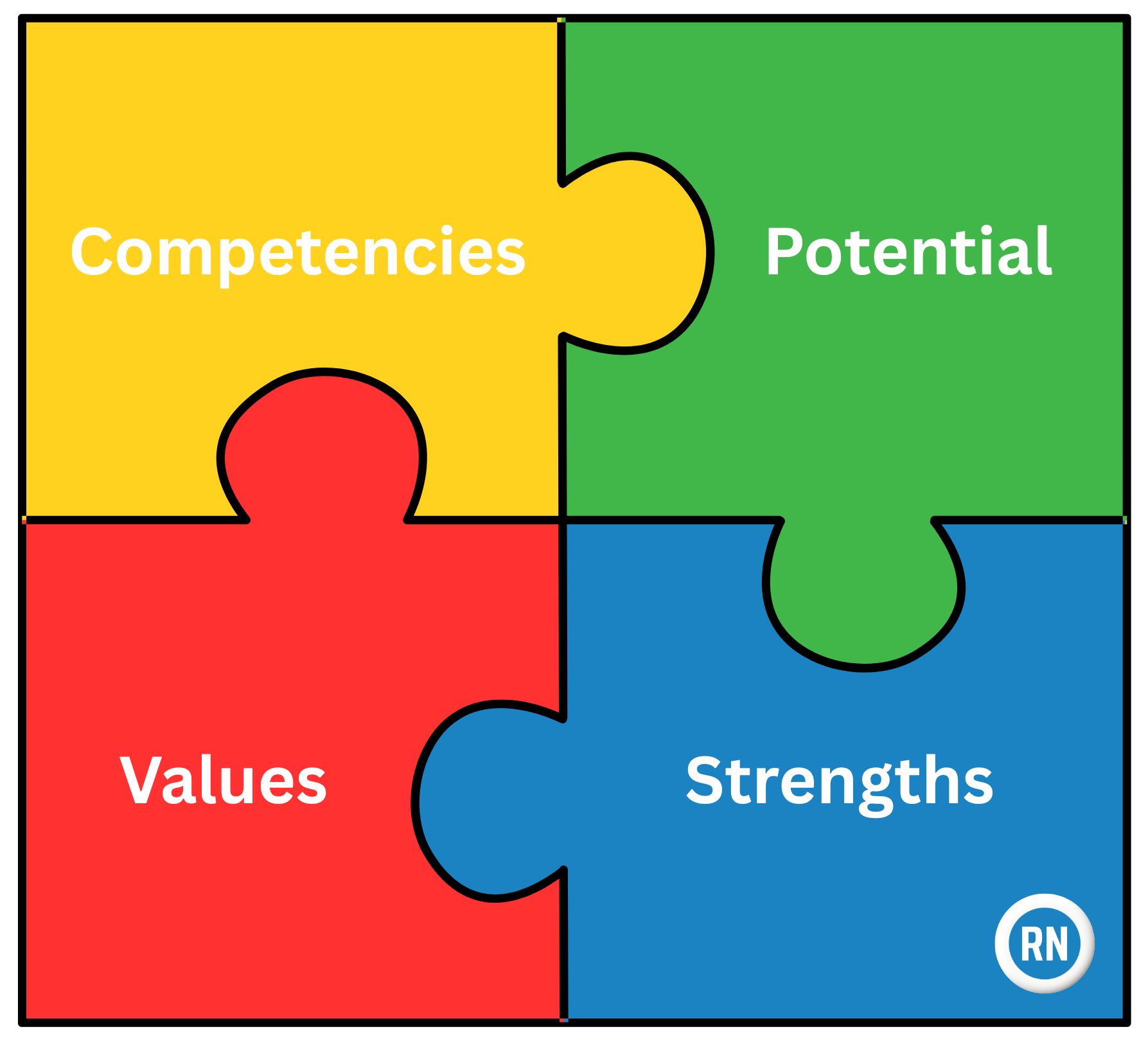
Competencies + Values = Fit
The key skills still matter, for sure.
But I’ve also seen how much values matter once someone is in the role.
And “fit”… I think we tend to use that word loosely at times, I know I have.
“Fit” isn’t about being the same. It’s really more about how someone aligns with how we work, and whether they raise the level of the team, not just settle into it.
Adding a little more clarity
One thing that’s helped me is adding just a bit more structure, not to narrow things down further, but to better understand people.
Tools like the Gallup StrengthsFinder have been useful in seeing how someone thinks, what drives them, where they tend to create value.
And pairing that with something like Predictive Index gives another layer, how they operate, how they respond to different environments.
These tools are not intended to further refine the filters, but I believe they offer us another perspective.
What I tend to come back to
To keep it simple, I find myself focusing on three things:
What are the few competencies that actually matter here?
Do their values show up in how they’ve operated in the past?
Do they have the potential to grow into what we’re building?
I don’t think hiring is about finding the “perfect” candidate anymore.
If anything, it’s about being aware of how easy it is to miss the right one.
And making sure we’re not so precise (especially in filtering) … that we overlook potential right in front of us.
