
Many times, I've been asked to step into situations where growth had outpaced the business. Other times, I was "voluntold" to help fix an operation that was struggling, and in some cases, broken.
And a couple times, I had the unique opportunity to help build the systems and processes from the ground up in a startup situation.
The assignment was always a little different, but the objectives were the same:
Get the right people in the right roles.
Clarify responsibilities.
Improve communication.
Create realistic timelines and accountability.
Build processes people could actually follow.
And make sure the information flowing through the business was accurate, timely, and useful.
This was all about helping the business operate more effectively and efficiently so employees could do their jobs, customers had a better experience, and leaders could make better decisions.
Whether implementing an ERP system, improving forecasting, streamlining order fulfillment, or simply developing better ways for our teams to work together, one lesson always appeared.
The quality of decisions depends on the quality of information.
We used to say it all the time during ERP implementations:
"Garbage in. Garbage out!"
That saying seems to be critical today with the emergence of AI.
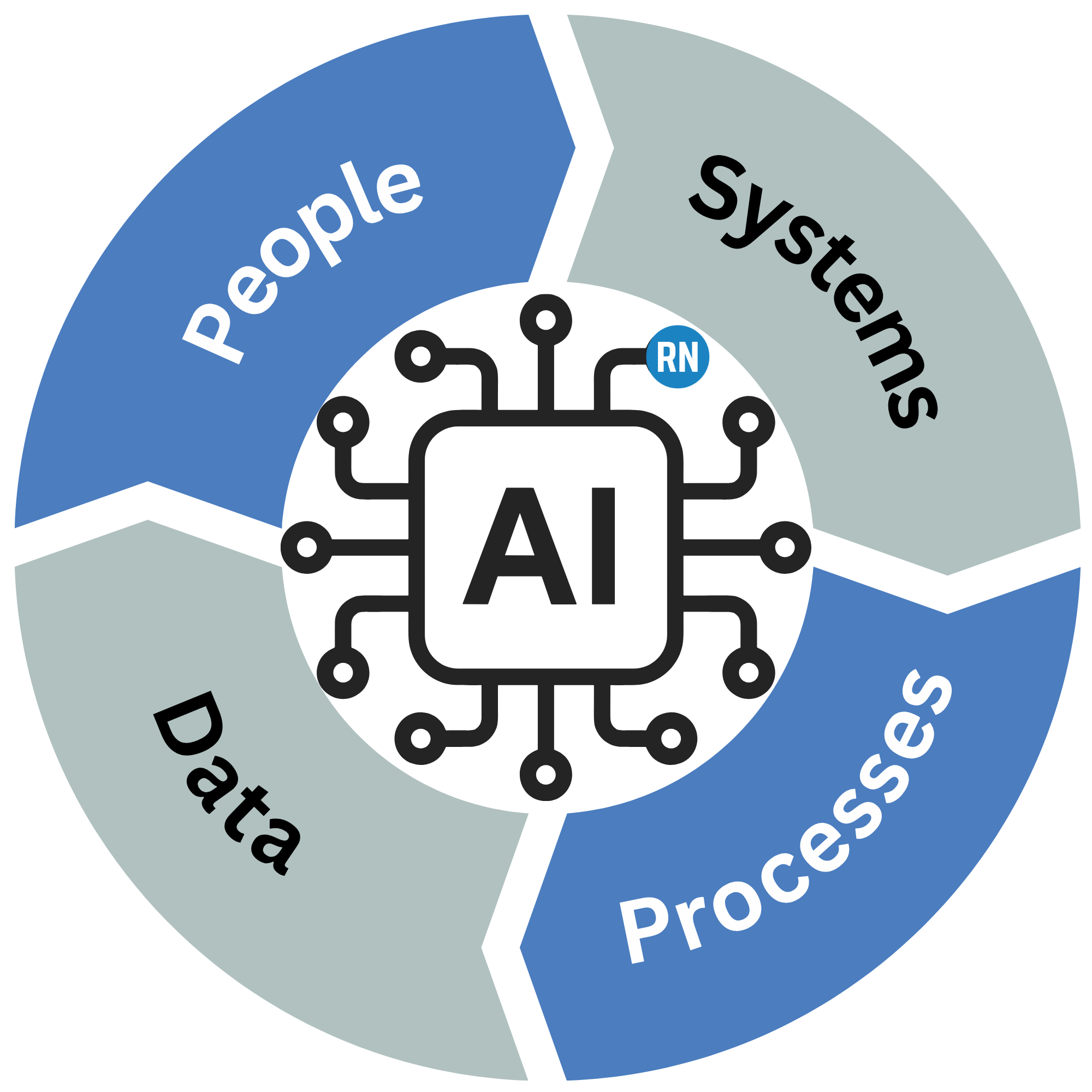
With all the excitement around AI, maybe rather than trying to figure out how to use AI, we should ask
Have we built a business that AI can actually help?
AI doesn't replace good leadership.
AI doesn't replace good processes.
AI doesn't replace clear expectations or accountability.
And AI can’t replace accurate data.
What it can do is help good businesses become better and support better decision making.
AI can help organizations move faster, discover insights, improve productivity, and create a better experience for customers and employees.
But if the underlying systems are inconsistent, the processes aren't followed, or the data can't be trusted, AI isn't going to fix those issues.
In many cases, AI will simply make those weaknesses more apparent.
Companies that perform at a high level are successful because they've built a business on good operating principles, disciplined execution, and a commitment to continuous improvement. Technology can help do those things better.
To me, AI readiness isn't about focusing on selecting the right AI tools. It's more about making sure your business operations are strong to take full advantage of it.
Throughout my career, I've really been asked to do the same thing, help build more effective systems, better processes, and higher-performing teams.
Technology has changed dramatically in recent years, and no doubt will pick up speed with emerging AI tools. However, fundamental strong operating principles won’t change.
I think the businesses that benefit most from AI will have one basic thing in common.
They did the hard work of building a high performing business before looking to technology to make it better.
