

Blogs
Industry Experience… Or the ability to learn?
Industry knowledge can accelerate judgment.
But curiosity, pattern recognition, and disciplined learning often determine whether leaders actually improve organizations.
A few reflections on that balance.
Before You Question Performance, Check the Expectations
When performance issues show up in organizations, the instinct is often to look at the people. Someone isn’t delivering. A project is behind. A team isn’t moving.
But in many cases, the real problem started much earlier.
It started with unclear expectations.
What Follows Execution? People.
Strategy matters. Structure matters. Execution matters.
But the real engine behind all three is people.
There’s a familiar leadership principle: Structure follows strategy.
Once strategy is clear, the organization must be designed to support it. Reporting lines, decision authority, and the way work gets done begin to take shape.
And once structure is in place, execution follows structure.
The organization understands how work moves.
But there’s another step that often receives less attention.
Prepared Confidence in a Noisy World
The challenge today isn’t access to information. It’s cutting through the noise to find clarity.
As leaders, we are surrounded by data, forecasts, opinions, and now AI layered on top of it all. There is more noise, not more clarity.
In this environment, decision-making requires discipline.
Three practices matter more than ever.
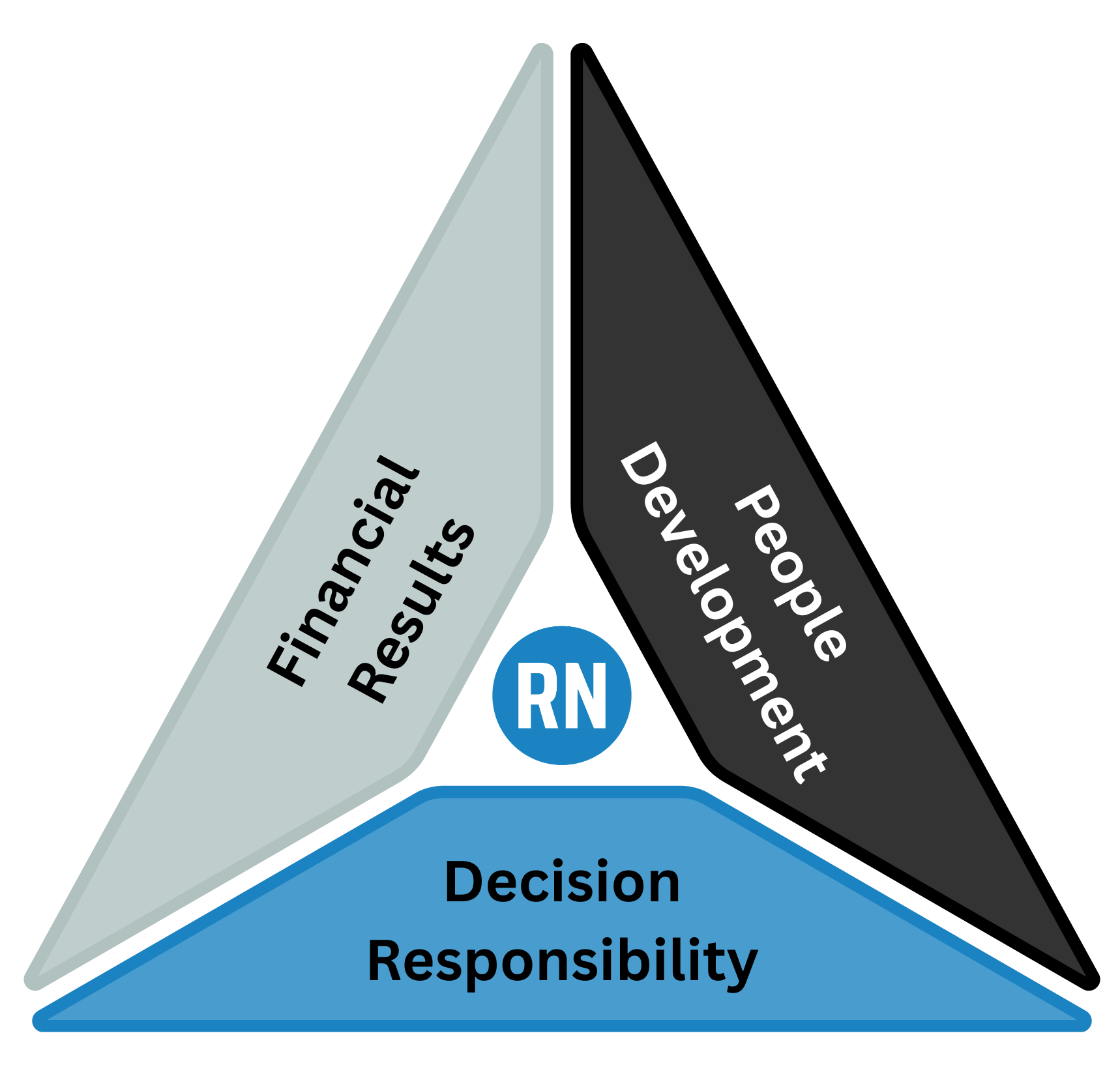
Leadership Is Stewardship.
Leadership is accepting that performance and people are both your responsibility, not one or the other.
In reality, it comes down to three responsibilities.
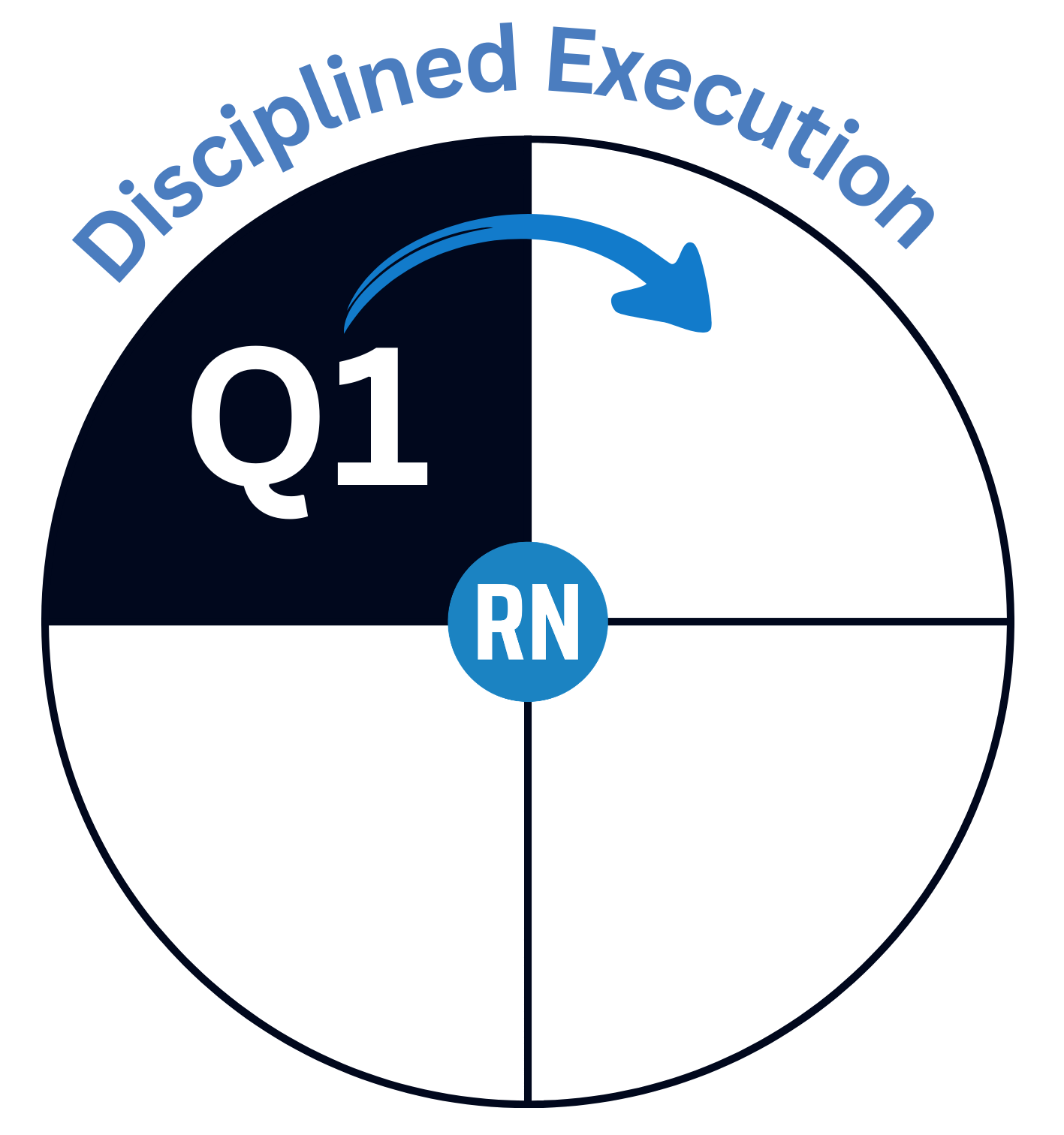
You Don’t Win in Q1. You Build the Standard.
You rarely win the year in the first quarter.
But you absolutely build the standard that will define it.
The first 90 days don’t determine outcomes on their own, they determine expectations. They establish cadence. They reinforce what matters and what doesn’t. And they quietly signal whether this will be a year of disciplined and proactive execution or gradual drift.

What To Know About Not Knowing
I’ve developed a bit of a habit of saying, “I don’t know.”
Not because I’m unprepared. But because I’ve learned that pretending to know is far riskier than admitting I don’t.

A Mindset of Learning, Change, and Continuous Improvement
Early in my career, I served as a high-voltage electrician and combat engineer with the United States Army Corps of Engineers. The symbol we wore, the castle with the motto Essayons, in French means “Let us try.”
Becoming the Best Version of Yourself as a Leader
Great leadership doesn’t start with changing who you are. It starts with understanding who you are.
A Recent Reminder: Why the Operator Investment Thesis Matters
I had a recent conversation with a new business acquaintance that gave me one of those quiet aha moments.
We weren’t discussing a specific opportunity, industry, or market. We were learning about each other, understanding perspectives, and how and where we could potentially bring mutual value.
Before our conversation, he asked whether I had an investment thesis. It made me pause.
AI Didn’t Change How People Buy. It Exposed Whether Selling Is Treated Like a Discipline
What AI, CRM, and buying have taught me, by sitting on both sides of the table.
I’ve spent enough time as both a seller and a buyer to know this:
Time is money.
And poor selling wastes a lot of it.
Why “Culture Fit” Is a Lazy Question. And What I Prefer To Ask Instead.
I’ve heard this line more times than I can count:
“We’re really focused on culture fit.”
I’ve said it myself.
As a hiring manager, it felt like the right thing to say. As a leader, it sounded responsible. Over time, though, and after a few hires that didn’t work out, I realized something uncomfortable:
Looking back, ‘culture fit’ often covered for conversations we hadn’t taken the time to have.
Not because culture isn’t important. But because “culture fit” is vague, subjective, and not very helpful when we are trying to figure out whether someone will actually succeed.
What matters more is much simpler: Do we agree on how the work gets done?
Growth is the Outcome. Execution is the Work
Every January, leadership teams rally around the same word: GROWTH!
More revenue. More customers. More scale. Growth feels like progress. It signals momentum and ambition. But after years working with start-ups, growth-stage companies, and private equity–backed businesses, I’ve learned a simple truth:
Growth is not the goal. Execution is. Growth is an outcome. Execution is the work.
Why Prices Climb Quickly and Crawl Back Down
Lately, we all keep hearing:
“Inflation is down, so why aren’t prices dropping?”
It’s a great question, and after 20+ years in operations and pricing, I can tell you:
Prices react to pressure instantly… and relax only when forced.
In fact, I used to joke that I deserved an Academy Award for delivering price-increase messages to customers. And one thing we never said? “Lower pricing.”
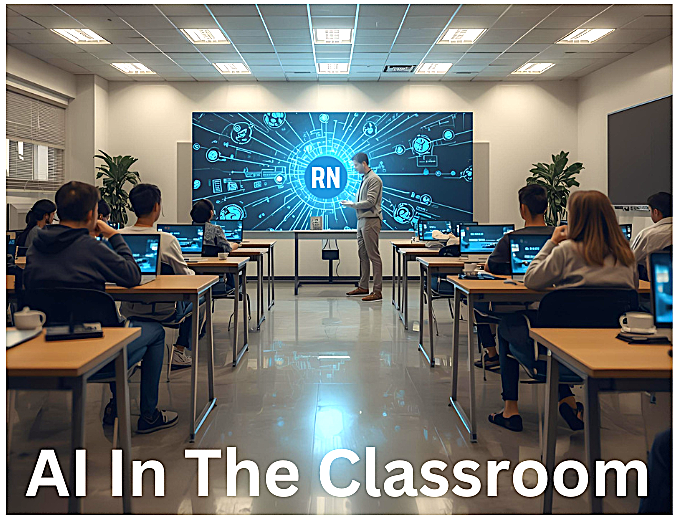
Teaching the Mindset Before the Tools: Operations in the Age of AI. A Semester of Perspective
As my Operations Management course comes to a close, I’ve spent some time reflecting on what this experience has reinforced for me as both a business leader and an instructor.
These students are seniors. In a matter of months, they’ll transition from classrooms to offices, operations floors, project teams, and customer-facing roles. That timing brings a different level of responsibility, not just to teach concepts, but to prepare them for the realities of the business world they are entering.
Why Emerging Technology Was a Core Focus This Semester

Calling All Entrepreneurs: Join Me at Schuler Books for Your Small Business Blueprint!
Let’s come together to share stories, lessons, and encouragement for the journey of building a business.
Every great business starts with a spark, a simple idea, and the belief that you can make something better. I’ve walked that path myself and experienced the mix of excitement, fear, and determination it takes to start and grow a business.

Balancing Growth and Efficiency: Why Revenue per Employee Still Matters
Over the years, I’ve worked with quite a few businesses, startups finding their footing, mid-sized companies trying to scale, and private equity–owned businesses driving hard toward measurable value creation.
One simple thing I’ve learned across all of them is this:
Growth is easy to chase. Sustainable, efficient growth takes discipline.
That’s where one simple metric makes sense. Revenue per Employee (RPE).

The Three Pillars That Build Every Successful Business
Learning Never Stops | Change Is Constant | Continuous Improvement Is Continuous
In every business I’ve ever been part of, whether a startup, a turnaround, or even a fast-growing organization, one truth has remained: there’s no perfect blueprint. There are only lessons learned, challenges overcome, and a mindset that drives you to “figure it out.”

How Emerging Technologies Are Finally Reshaping the Building Materials Industry
If there’s one thing I’ve learned over the years in manufacturing, distribution and contracting, it’s that our industry doesn’t change quickly. The building materials world has traditionally been hands-on, relationship-driven, and slow to adopt new technology. For a long time, that worked just fine. But what got us here won’t get us where we need to go.
While other industries were embracing automation, AI, and digital platforms, we often relied on manual processes, paper trails, and decades of tribal knowledge. The result? A lot of smart, hard-working people working inside disconnected systems. Manufacturers made products, distributors moved them, and contractors installed them, but information rarely flowed freely between them.
Good news! That’s finally starting to change.

Leading with Strengths: A Hands-On Approach to People Leadership
Early in my career, performance reviews were tough. My leaders were honest and fair, but most of the conversation focused on where I fell short and what I needed to “fix.” Sure, I got some credit for what I did well, but the spotlight always seemed to shine on the gaps. The truth was, I could probably get better at those things, but I’d never love them, never be great at them, and I had little motivation to try.
That experience stuck with me. As I grew into leadership roles, it shaped my philosophy: fixing weaknesses might make someone acceptable, but building on strengths is what makes them exceptional.