

Insights & Perspective
Your Bottleneck Isn’t People. It’s Coordination
Most teams aren’t underperforming; they’re constantly compensating for things that don’t quite come together.
Everyone is focused on speeding up the work.
Almost no one is fixing what happens between it.
What If AI Was Another Voice on Your Kaizen Team?
Kaizen has always been about bringing the right people together to solve problems.
But what if the real constraint was never the people,it was the speed of learning?
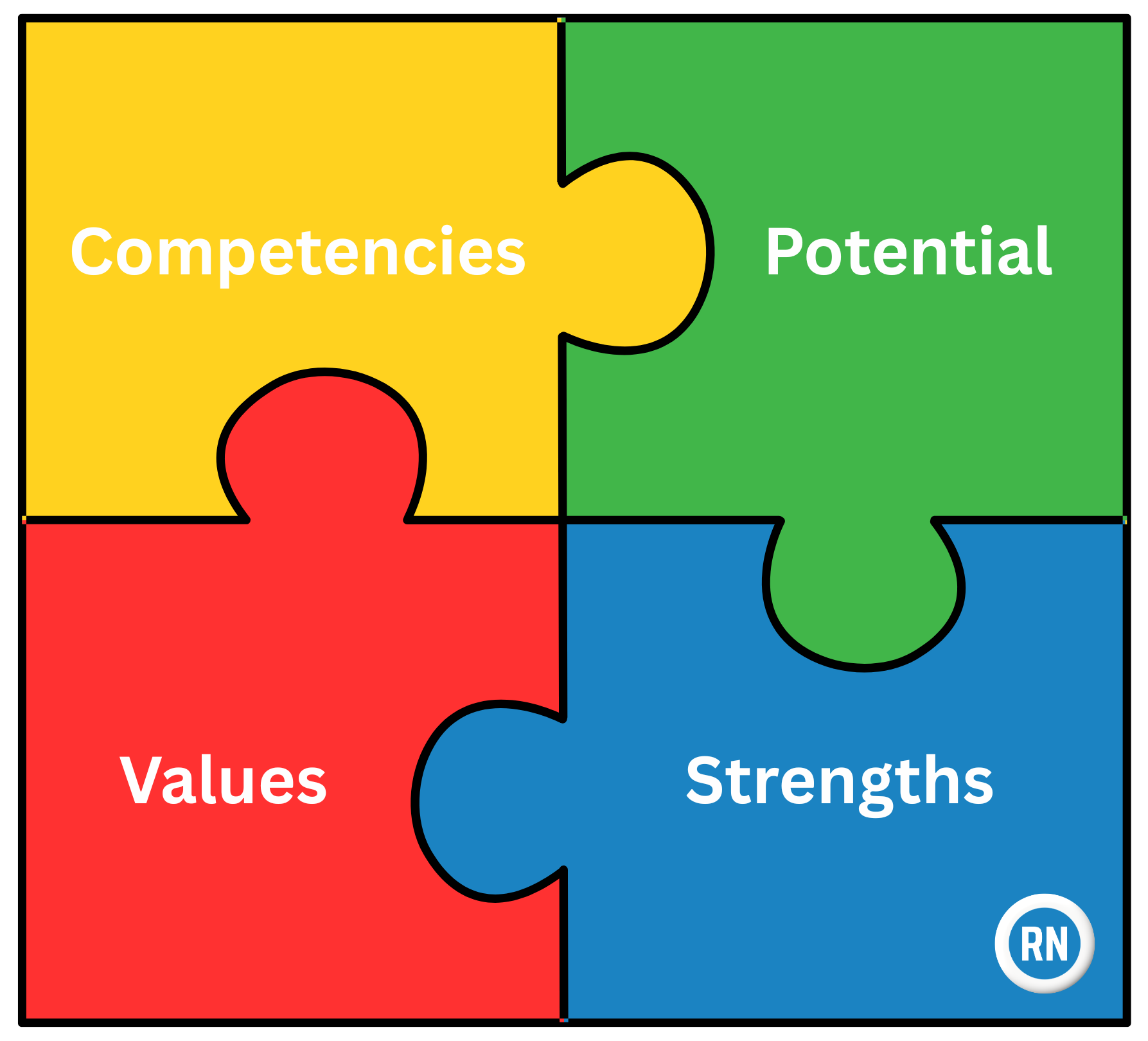
Are We Missing Great Talent Because We’re Too Specific?
I’ve been thinking lately about how we evaluate candidates right now.
It feels like we’ve gotten better, clearer job descriptions, defined requirements and more detailed “must-haves.”
Are we getting better at hiring, or just getting better at filtering people out?
Waiting for the Market to Tell You What to Do?
It feels like no one has a clean read on the market and current economic conditions.
If we are waiting for things to “settle” before making decisions, it feels like we will be waiting a while.
So the question becomes:
What should we actually pay attention to?
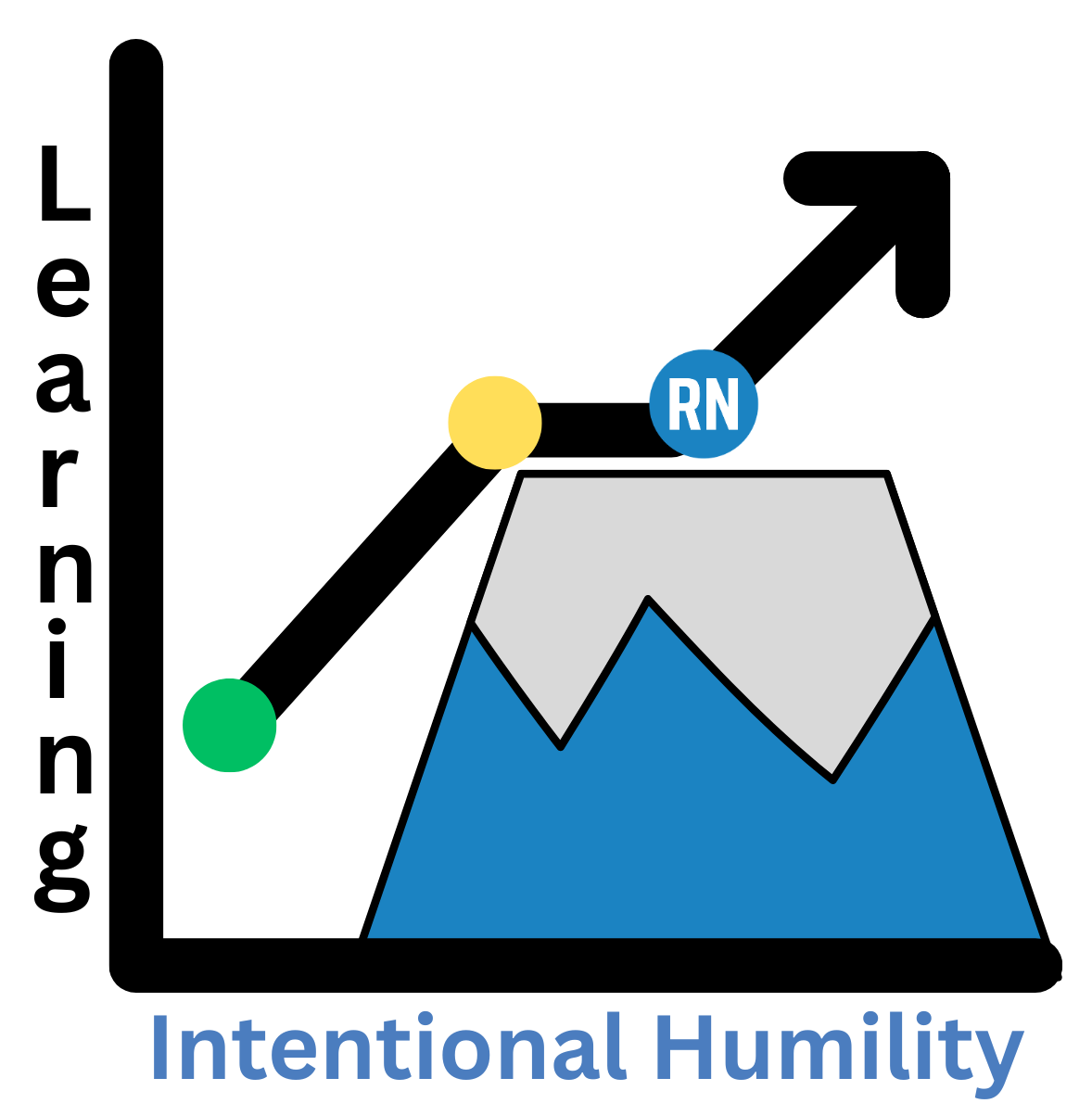
The Plateau We May Overlook.
The goal isn't to know more, it's to learn more.
Early in our careers, learning is the job.
We ask a lot of questions.
We don’t mind not knowing.
There’s no pressure to have it all figured out.
Then something shifts.
The AI-Assisted Project Manager
I had a conversation recently with a business owner who’s struggling to hire a qualified project manager.
It’s a familiar story, too junior, too expensive, or just not qualified.
But it got me thinking:
What if the problem isn’t the talent pool…
What if it’s how we’re defining “qualified”?
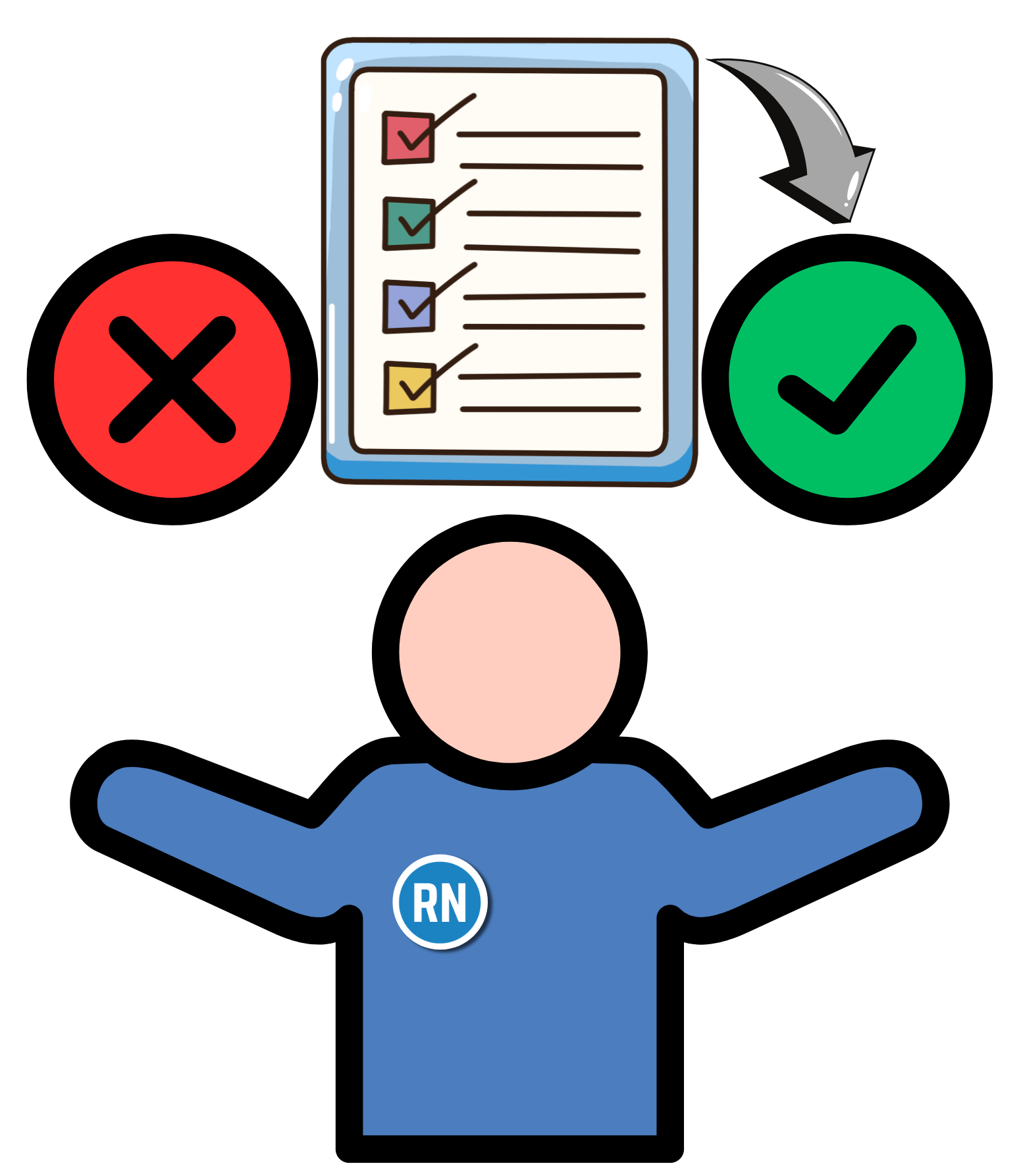
How to Evaluate Talent Beyond Industry Experience
In last week’s post, I shared some perspectives being described as “industry agnostic,” and the question it raised:
When does industry experience really matter, and when might the ability to learn matter more?
A few conversations since then pushed the discussion in a more practical direction.
Not whether learning ability matters, but something more specific:
How do you actually evaluate it when you’re hiring?
Industry Experience… Or the ability to learn?
Industry knowledge can accelerate judgment.
But curiosity, pattern recognition, and disciplined learning often determine whether leaders actually improve organizations.
A few reflections on that balance.
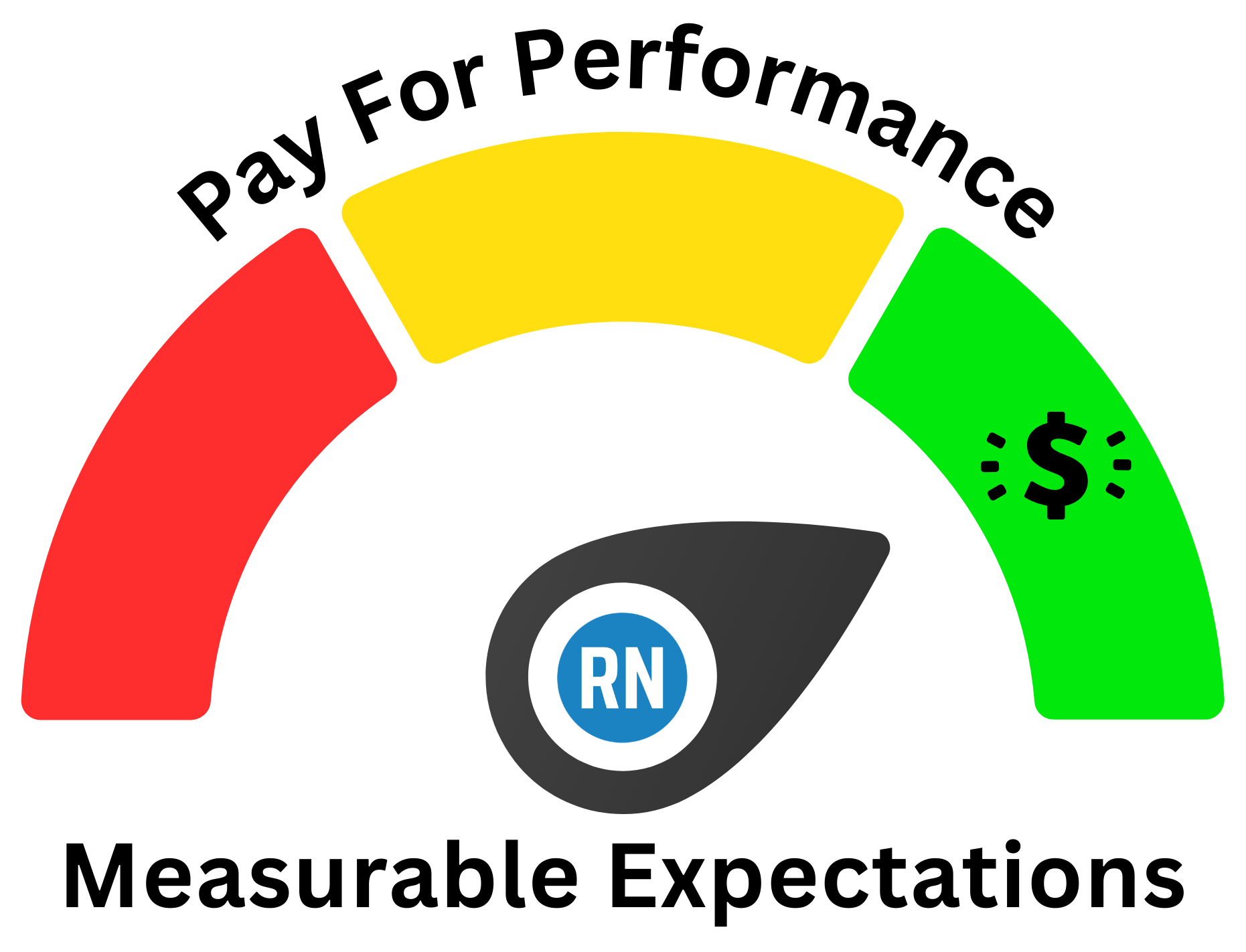
Before You Question Performance, Check the Expectations
When performance issues show up in organizations, the instinct is often to look at the people. Someone isn’t delivering. A project is behind. A team isn’t moving.
But in many cases, the real problem started much earlier.
It started with unclear expectations.
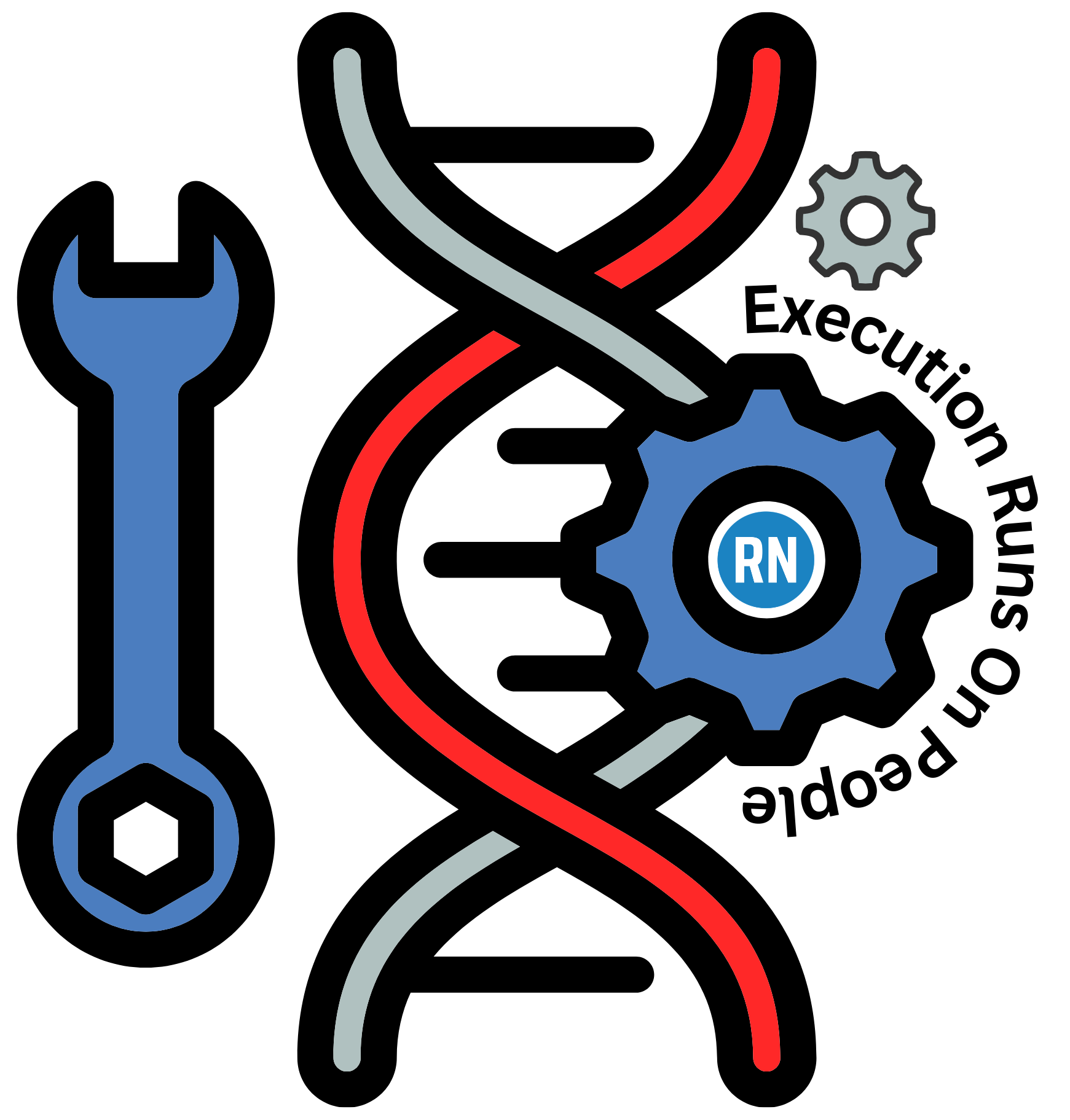
What Follows Execution? People.
Strategy matters. Structure matters. Execution matters.
But the real engine behind all three is people.
There’s a familiar leadership principle: Structure follows strategy.
Once strategy is clear, the organization must be designed to support it. Reporting lines, decision authority, and the way work gets done begin to take shape.
And once structure is in place, execution follows structure.
The organization understands how work moves.
But there’s another step that often receives less attention.
Prepared Confidence in a Noisy World
The challenge today isn’t access to information. It’s cutting through the noise to find clarity.
As leaders, we are surrounded by data, forecasts, opinions, and now AI layered on top of it all. There is more noise, not more clarity.
In this environment, decision-making requires discipline.
Three practices matter more than ever.
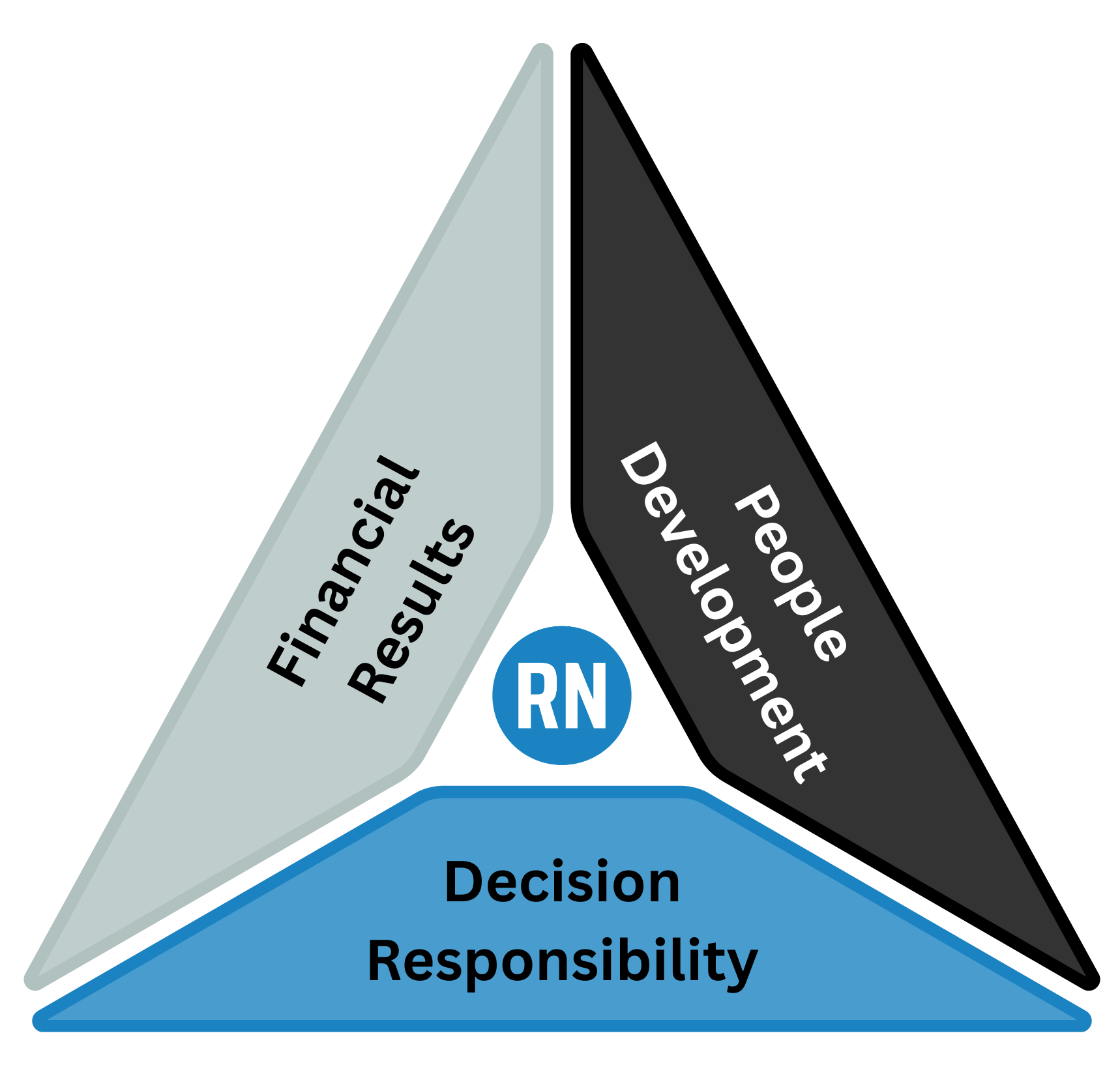
Leadership Is Stewardship.
Leadership is accepting that performance and people are both your responsibility, not one or the other.
In reality, it comes down to three responsibilities.
You Don’t Win in Q1. You Build the Standard.
You rarely win the year in the first quarter.
But you absolutely build the standard that will define it.
The first 90 days don’t determine outcomes on their own, they determine expectations. They establish cadence. They reinforce what matters and what doesn’t. And they quietly signal whether this will be a year of disciplined and proactive execution or gradual drift.

What To Know About Not Knowing
I’ve developed a bit of a habit of saying, “I don’t know.”
Not because I’m unprepared. But because I’ve learned that pretending to know is far riskier than admitting I don’t.
A Mindset of Learning, Change, and Continuous Improvement
Early in my career, I served as a high-voltage electrician and combat engineer with the United States Army Corps of Engineers. The symbol we wore, the castle with the motto Essayons, in French means “Let us try.”
Becoming the Best Version of Yourself as a Leader
Great leadership doesn’t start with changing who you are. It starts with understanding who you are.
A Recent Reminder: Why the Operator Investment Thesis Matters
I had a recent conversation with a new business acquaintance that gave me one of those quiet aha moments.
We weren’t discussing a specific opportunity, industry, or market. We were learning about each other, understanding perspectives, and how and where we could potentially bring mutual value.
Before our conversation, he asked whether I had an investment thesis. It made me pause.
AI Didn’t Change How People Buy. It Exposed Whether Selling Is Treated Like a Discipline
What AI, CRM, and buying have taught me, by sitting on both sides of the table.
I’ve spent enough time as both a seller and a buyer to know this:
Time is money.
And poor selling wastes a lot of it.
Why “Culture Fit” Is a Lazy Question. And What I Prefer To Ask Instead.
I’ve heard this line more times than I can count:
“We’re really focused on culture fit.”
I’ve said it myself.
As a hiring manager, it felt like the right thing to say. As a leader, it sounded responsible. Over time, though, and after a few hires that didn’t work out, I realized something uncomfortable:
Looking back, ‘culture fit’ often covered for conversations we hadn’t taken the time to have.
Not because culture isn’t important. But because “culture fit” is vague, subjective, and not very helpful when we are trying to figure out whether someone will actually succeed.
What matters more is much simpler: Do we agree on how the work gets done?
Growth is the Outcome. Execution is the Work
Every January, leadership teams rally around the same word: GROWTH!
More revenue. More customers. More scale. Growth feels like progress. It signals momentum and ambition. But after years working with start-ups, growth-stage companies, and private equity–backed businesses, I’ve learned a simple truth:
Growth is not the goal. Execution is. Growth is an outcome. Execution is the work.