
Part 2: The Opportunity Profit of Your Time
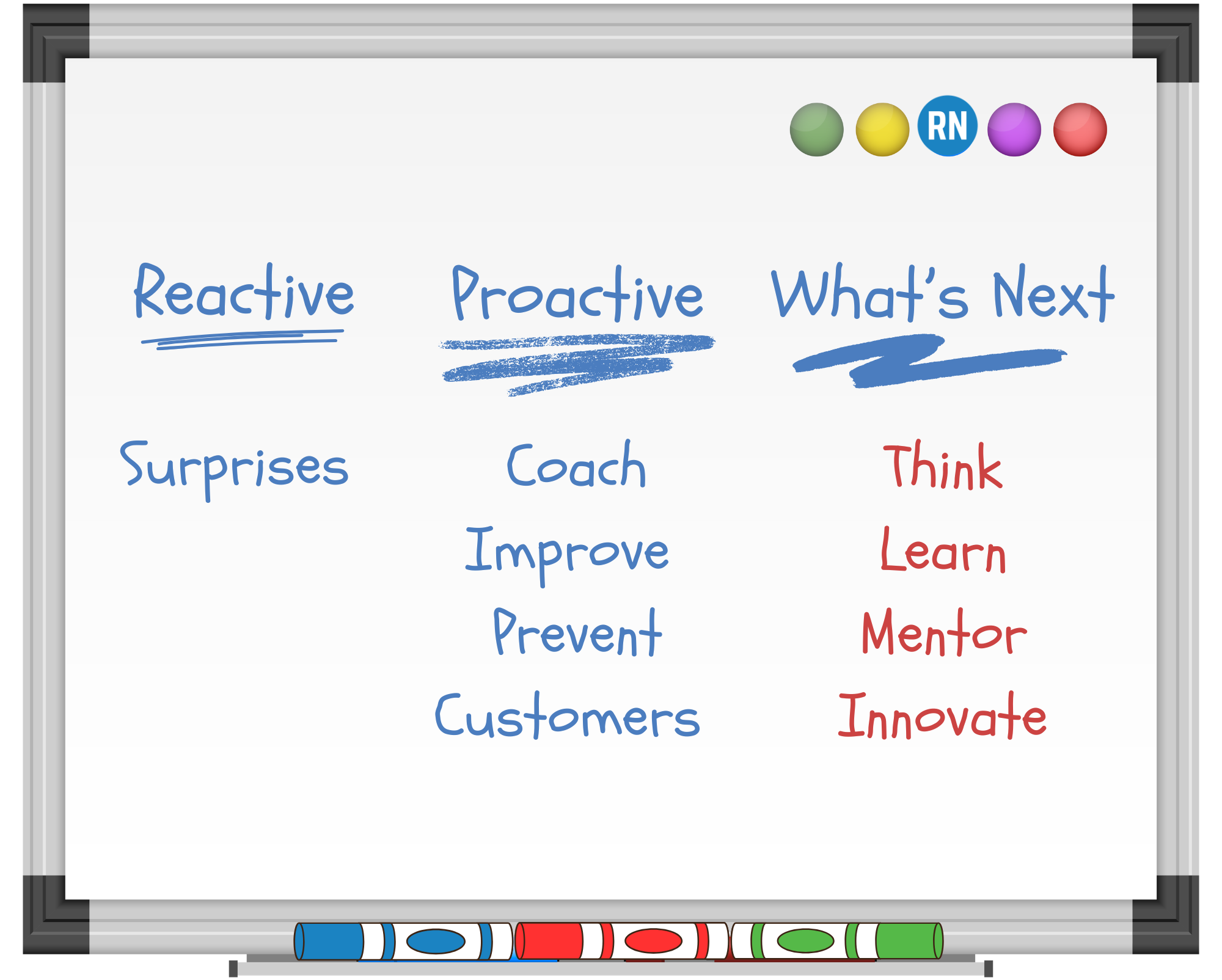
In my last blog, I shared two questions that shaped many of my conversations with teams and leaders over the years.
What percentage of your time is reactive versus proactive?
And…
What is the opportunity cost of your time?
These questions are even more relevant today because we’re living through another transition in how work gets done.
AI has become the topic of almost every leadership conversation, and how to best utilize it to improve our work.
Almost every day we hear about another way it can automate a task, summarize information, generate content, or improve productivity.
For most of my career, we’ve used technology to help people work faster, improve accuracy, eliminate rework, and create consistency.
We documented SOPs, implemented ERP systems, built dashboards, connected departments, and continuously looked for ways to make things more efficient and productive in the business.
Every improvement created something valuable: Capacity.
Today, AI has the potential to create even more capacity.
It is already automating routine work and helping people make better decisions throughout the organization…
Customer service reps with better context before answering the phone.
Purchasing managers identifying inventory risks before they become shortages.
Operations leaders recognizing bottlenecks before they impact customers.
Sales teams spending more time building relationships and less time searching for information.
Finance leaders seeing trends earlier.
Managers having more time to coach their teams instead of chasing reports.
With those possibilities, I think it makes sense to shift the question.
Instead of asking only about the opportunity cost of our time…
We should shift to asking about the opportunity profit of our time.
What becomes possible when repetitive work is reduced?
What process have you wanted to improve but never found the time to tackle?
Which customer relationships deserve more attention?
Who on your team could benefit from more coaching?
Where could better decisions create a better experience for customers?
Technology has always changed, and I believe, improved how we work.
The key is to determine what we do with the capacity it creates.
The real opportunity is to use that gained capacity more intentionally:
Contribute more meaningfully to the work that matters most.
Become more proactive instead of constantly reacting.
Think more deeply about the decisions that shape the business.
Develop people more intentionally.
Strengthen the business in ways we have always wanted to pursue but lacked the capacity to address
One final question:
Now that we’ve created more capacity… what will we do with it?
