

Insights & Perspective

I Love the Smell of Sawdust in the Morning
Some of the smartest operators I know wear work boots.
They see the problems, understand how the pieces fit together, and find better ways to get the job done.
Maybe the rest of us should spend a little more time on the jobsite.

Before You Fix It, Go See It
How many problems are we trying to solve from 30,000 feet?
I’ve learned the hard way that the view from the conference room can be very different from what’s happening on the floor.
Sometimes the fastest way to understand a problem is to stop talking about it and go stand next to it.
You might be surprised by what you find.
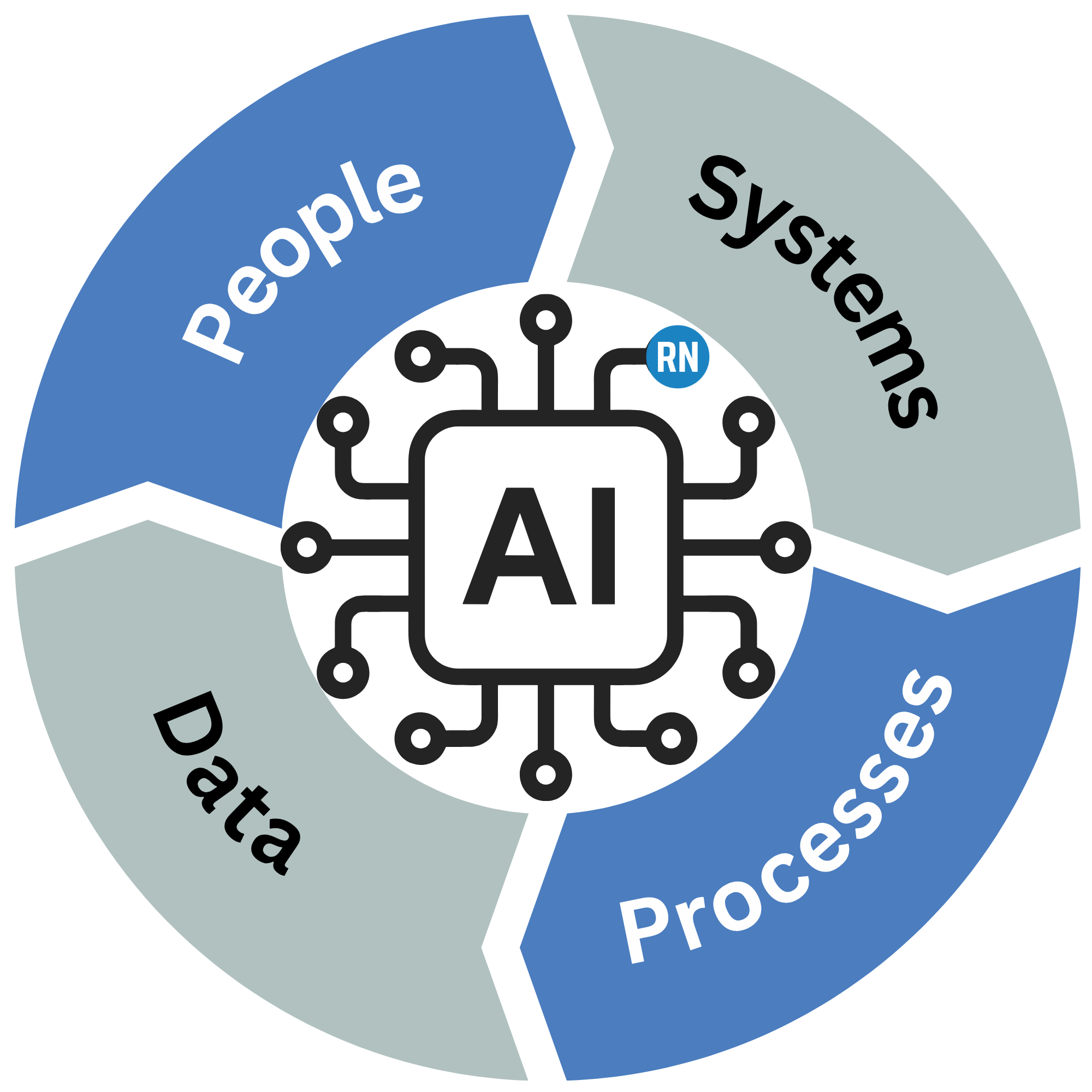
Before You Ask What AI Can Do, Ask What Your Business Is Ready For
What if the biggest obstacle to getting ROI from AI isn't the technology?
It may be the business itself.
Data. Processes. People. Leadership. Adoption.
Before asking “What can AI do?” perhaps the better question is:
“Are we ready to use it well?”
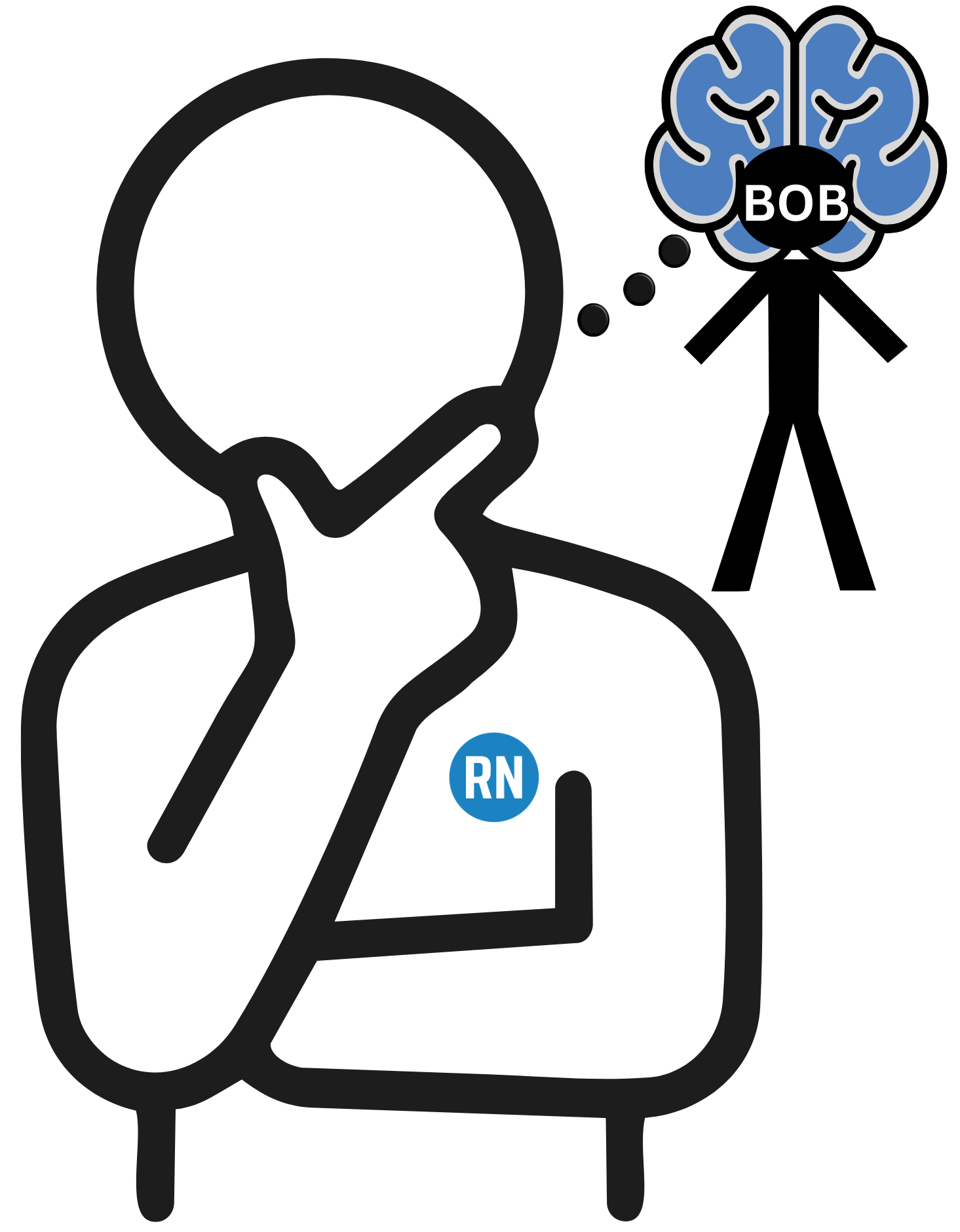
What About Bob?
Every business has a “Bob,” the person everyone calls when something goes sideways because they simply know how things work.
What happens when Bob retires and decades of experience walks out the door with him?
Maybe one of the most practical uses of AI isn’t replacing people but capturing and extending the knowledge of the people we can’t afford to lose.
Are you capturing what your Bobs know before they walk out the door?
Every Business Has a Moneyball Moment
I watched Moneyball again recently, and it got me thinking.
Billy Beane wasn't dealing with a baseball problem; he was solving a business problem.
I think that's why this movie still resonates with me after all these years.
Here's the leadership lesson I keep coming back to.

The Best Sound in Business
Your company starts selling value the moment the phone rings, not the moment the quote is delivered.
The businesses that understand this simple idea create loyal customers, stronger teams, and a lasting competitive advantage.
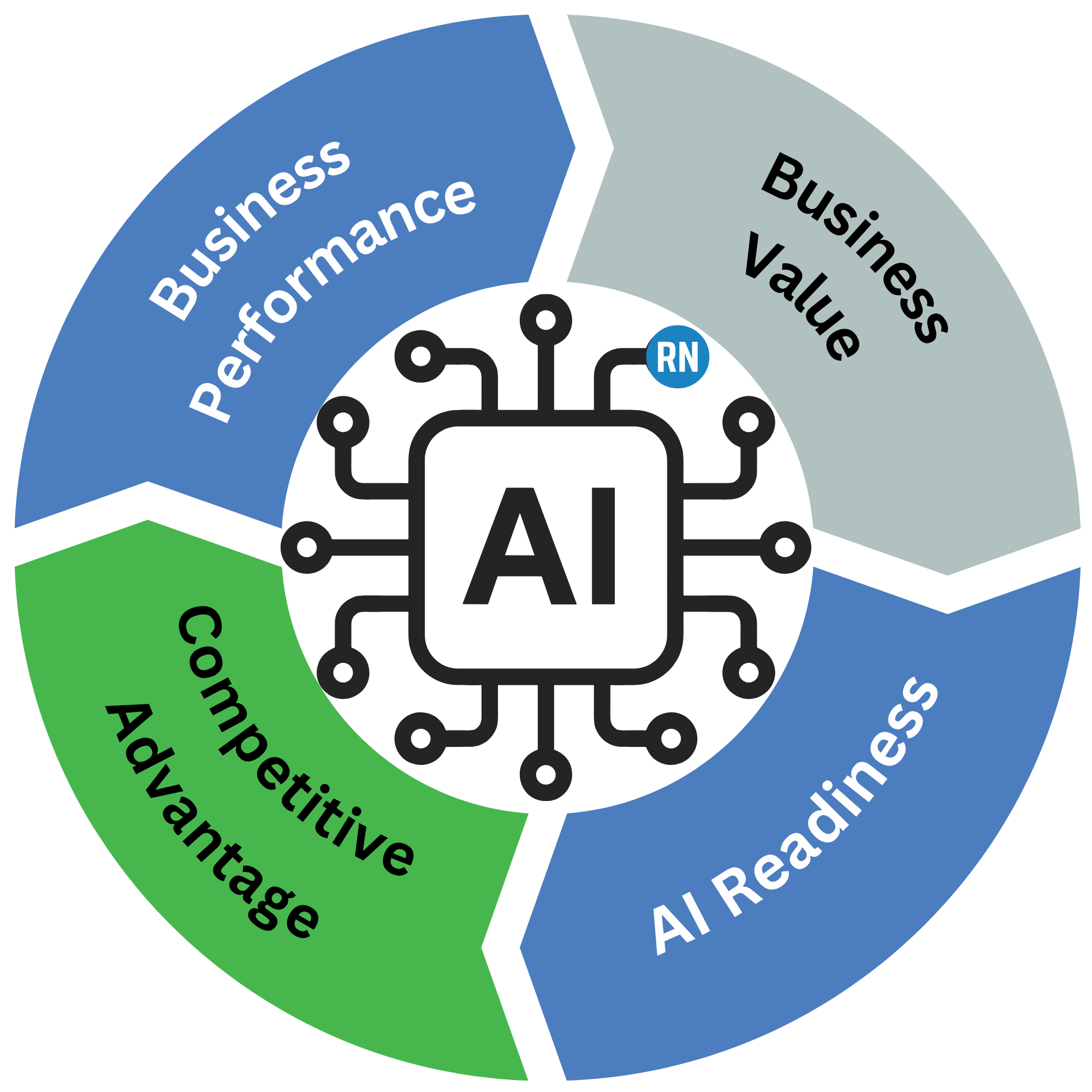
The Path to AI Readiness Starts with Better Business
Most businesses are asking, "How can AI help us?"
I think there's a better question.
Is our business actually ready to maximize AI's potential?
Part 2: The Opportunity Profit of Your Time
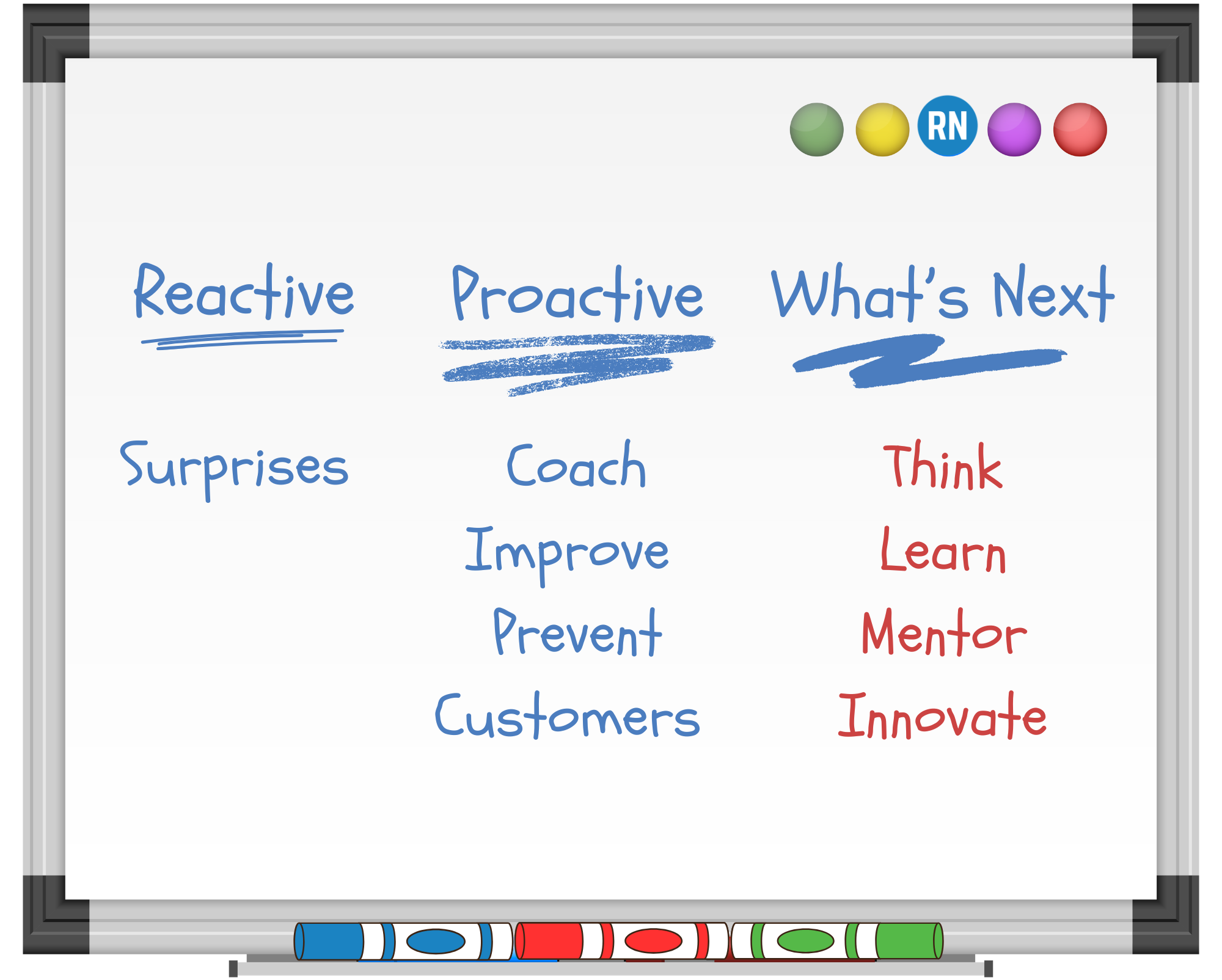
In my last blog, I challenged leaders to think about the opportunity cost of their time.
Today, I'd like to explore the other side of that equation.
As AI creates more capacity across our organizations, the real opportunity isn't just saving time, t's deciding how to invest it.
What is the opportunity profit of your time?
Part 1: The Opportunity Cost of Your Time
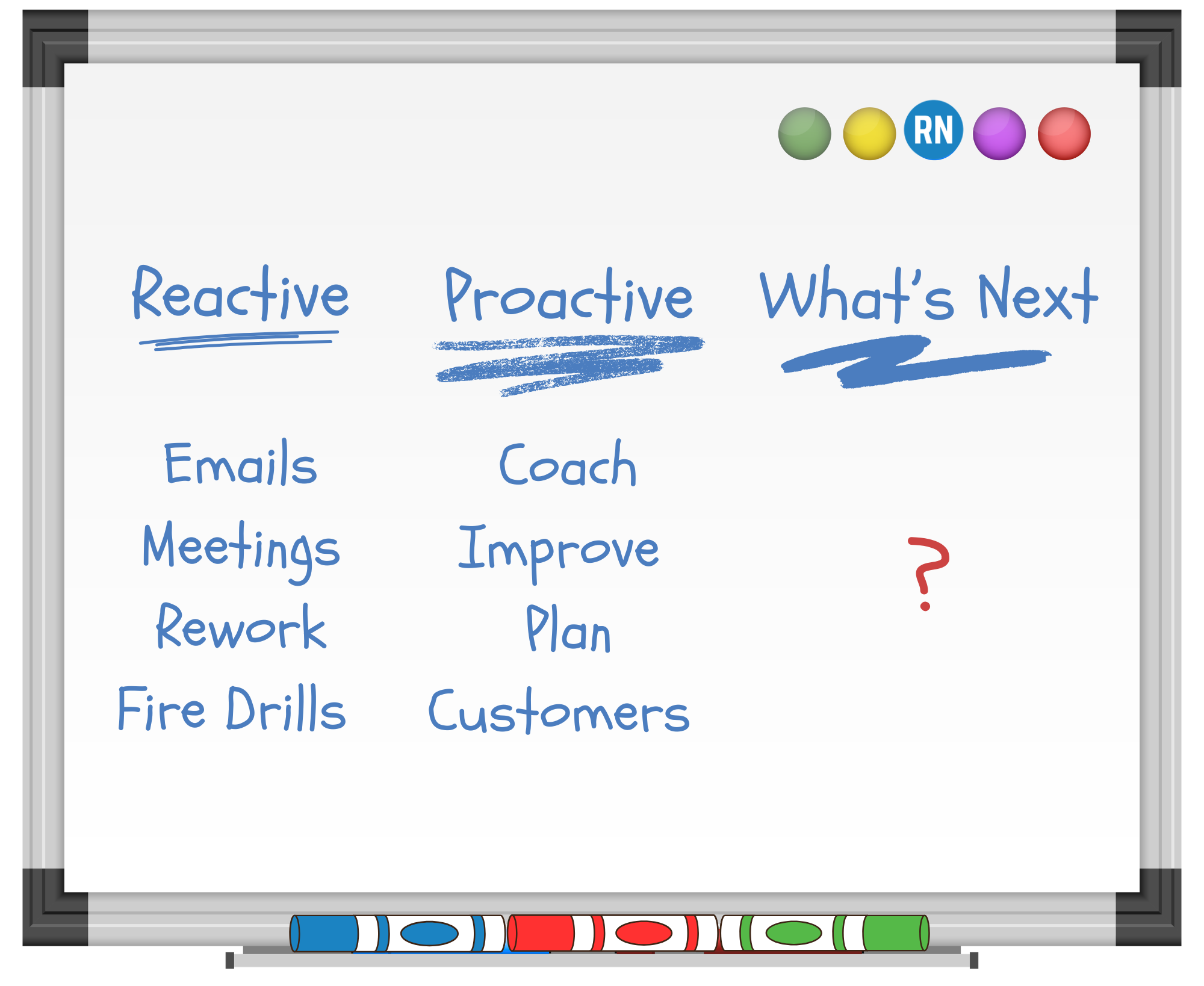
Over the years, one of my favorite conversations during one-on-one coaching meetings had very little to do with sales goals, budgets, or KPIs.
Most of these were problem solving conversations to address a specific challenge or bottleneck.
Before we started solving the problem, I would ask two questions.
Come on… This Isn't Rocket Science!
One sentence I used for years almost immediately backfired when I joined a technology company.
"Come on...this isn't rocket science."
The problem?
Three people in the room had literally written software for rocket engines.
That experience taught me one of the most valuable leadership lessons of my career, one that feels even more relevant today in the age of AI.
What If Growth Isn't Your Biggest Opportunity?
For most business owners, that probably sounds like a strange question.
After all, growth is usually the goal. More customers, more projects, more revenue.
What Entering New Industries Taught Me About Leadership
One of the things I appreciate most about my career is that I have been blessed with the opportunity to work across several different industries and business environments over the years.
Every time I made one of those transitions, I was reminded of something that took me a while to fully appreciate.
The Hidden Risk of Being Too Accessible as a Leader
Why hands-on leadership must eventually evolve into trust, ownership, and empowerment.
For most of my career, I viewed being highly accessible and hands-on as one of my strengths.
And in many situations, it was.
To ERP or Not to ERP: That Is the Question
At some point, every growing business feels it.
What used to work… now doesn’t.
Too many spreadsheets and manual processes. Systems that don’t connect, and the team is chasing data instead of utilizing it.
So… When does an ERP actually make sense?
Patience vs. Accountability Isn’t a Choice
As leaders, we are constantly walking this line:
How long do you give someone to figure it out… before it becomes something you need to address?

When Everyone Is Right… and It’s Still Not Working
I stepped in to run a distribution business that wasn’t performing.
Not because of bad people. Not because of bad tools.
Because things just weren’t lining up.
In my first 30 days, I kept hearing…
Your Bottleneck Isn’t People. It’s Coordination
Most teams aren’t underperforming; they’re constantly compensating for things that don’t quite come together.
Everyone is focused on speeding up the work.
Almost no one is fixing what happens between it.
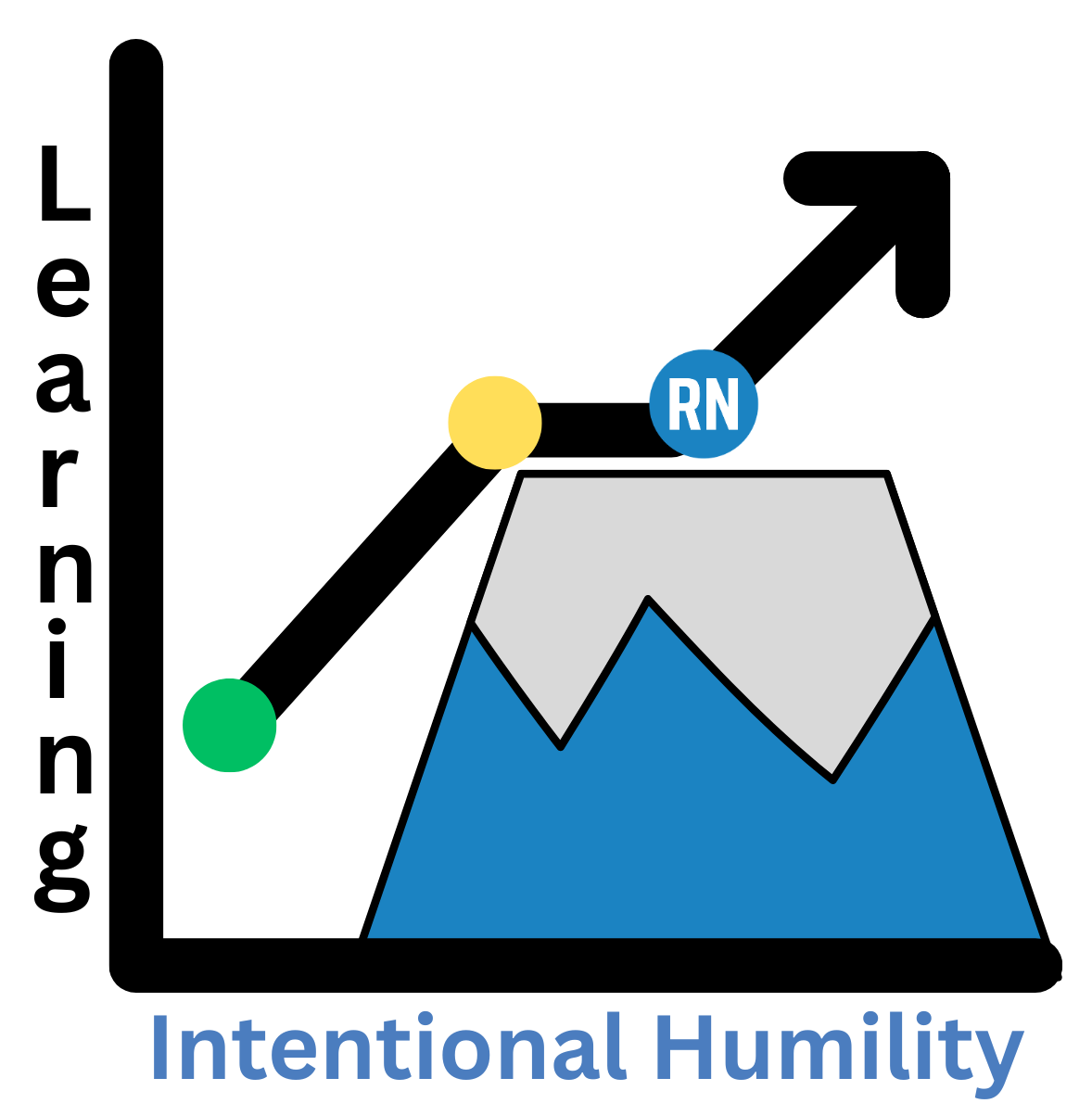
The Plateau We May Overlook.
The goal isn't to know more, it's to learn more.
Early in our careers, learning is the job.
We ask a lot of questions.
We don’t mind not knowing.
There’s no pressure to have it all figured out.
Then something shifts.
The AI-Assisted Project Manager
I had a conversation recently with a business owner who’s struggling to hire a qualified project manager.
It’s a familiar story, too junior, too expensive, or just not qualified.
But it got me thinking:
What if the problem isn’t the talent pool…
What if it’s how we’re defining “qualified”?