

Insights & Perspective

I Love the Smell of Sawdust in the Morning
Some of the smartest operators I know wear work boots.
They see the problems, understand how the pieces fit together, and find better ways to get the job done.
Maybe the rest of us should spend a little more time on the jobsite.
AI in Distribution: What’s in It for the Contractor?
Customers don’t care about your AI strategy. They care that you get it right.
The right material. The right quantity. The right place. The right time.
That’s where I see the real opportunity for AI in distribution, and eventually, in contracting.
AI is moving into distribution. The question is what we do with it.
There’s no shortage of AI tools, use cases or promises about what’s coming next.
For distributors, the harder question is where AI can actually make the business better.
Where are the real gains, what will it take to capture them, and is the business ready?

Before You Fix It, Go See It
How many problems are we trying to solve from 30,000 feet?
I’ve learned the hard way that the view from the conference room can be very different from what’s happening on the floor.
Sometimes the fastest way to understand a problem is to stop talking about it and go stand next to it.
You might be surprised by what you find.
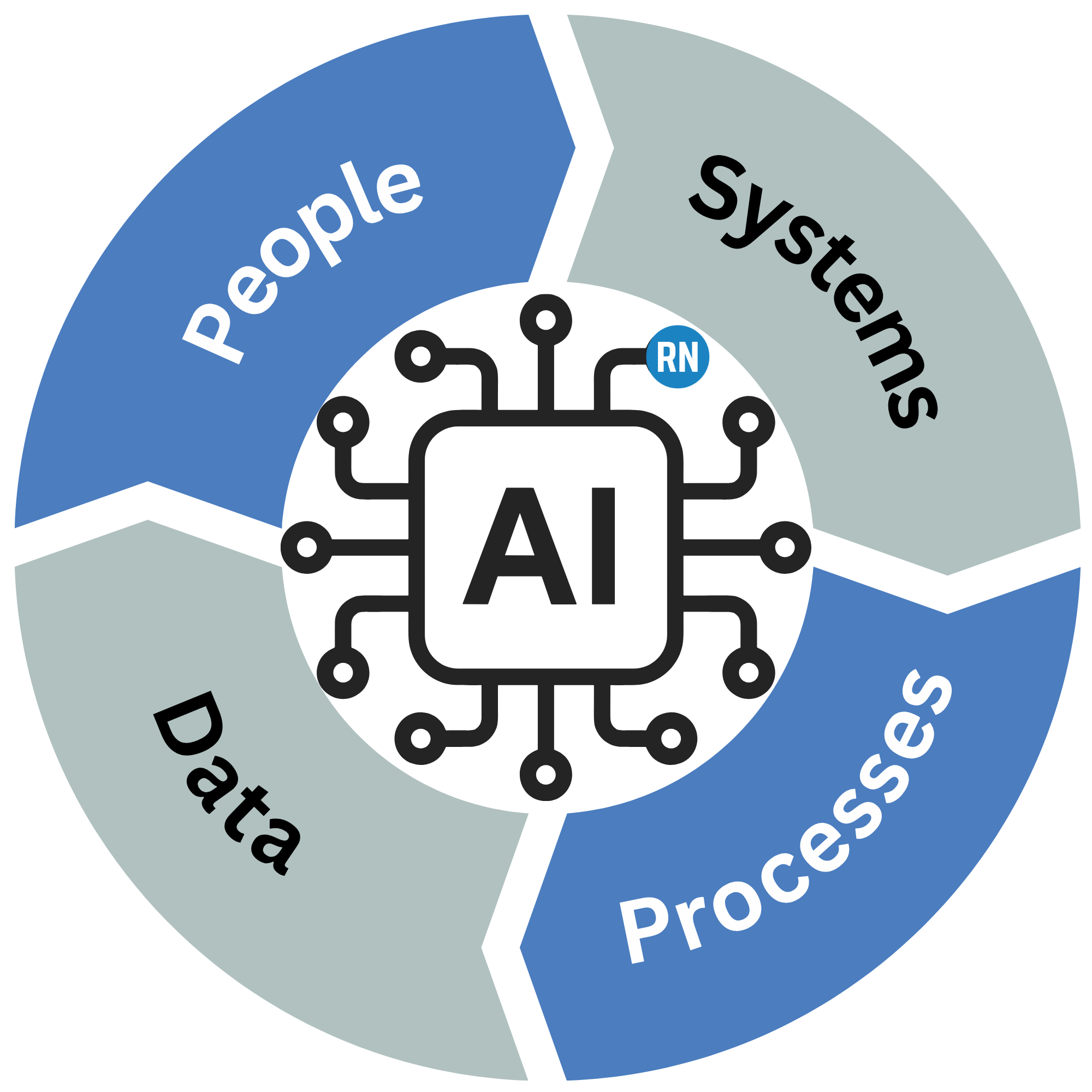
Before You Ask What AI Can Do, Ask What Your Business Is Ready For
What if the biggest obstacle to getting ROI from AI isn't the technology?
It may be the business itself.
Data. Processes. People. Leadership. Adoption.
Before asking “What can AI do?” perhaps the better question is:
“Are we ready to use it well?”
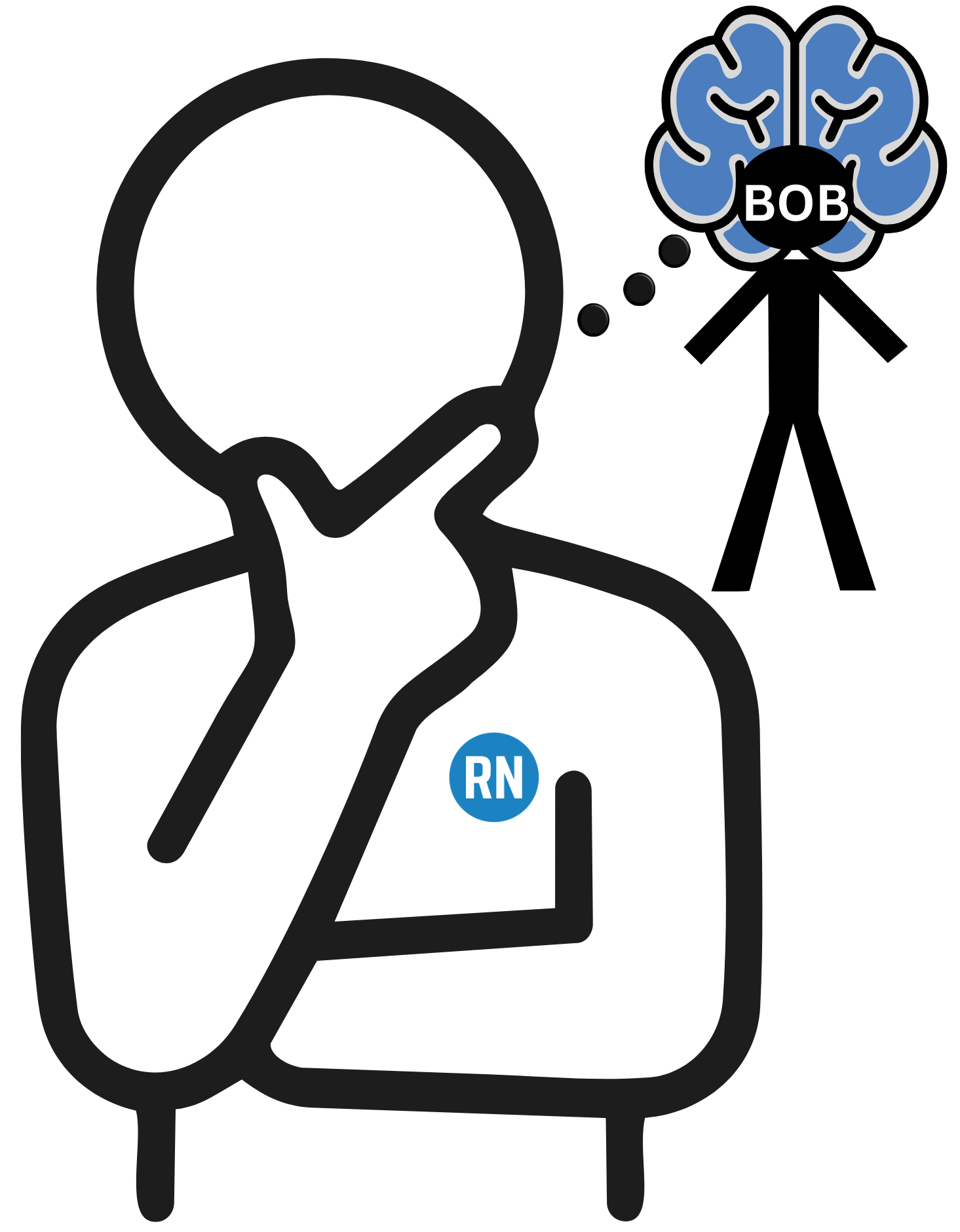
What About Bob?
Every business has a “Bob,” the person everyone calls when something goes sideways because they simply know how things work.
What happens when Bob retires and decades of experience walks out the door with him?
Maybe one of the most practical uses of AI isn’t replacing people but capturing and extending the knowledge of the people we can’t afford to lose.
Are you capturing what your Bobs know before they walk out the door?
Every Business Has a Moneyball Moment
I watched Moneyball again recently, and it got me thinking.
Billy Beane wasn't dealing with a baseball problem; he was solving a business problem.
I think that's why this movie still resonates with me after all these years.
Here's the leadership lesson I keep coming back to.

The Best Sound in Business
Your company starts selling value the moment the phone rings, not the moment the quote is delivered.
The businesses that understand this simple idea create loyal customers, stronger teams, and a lasting competitive advantage.
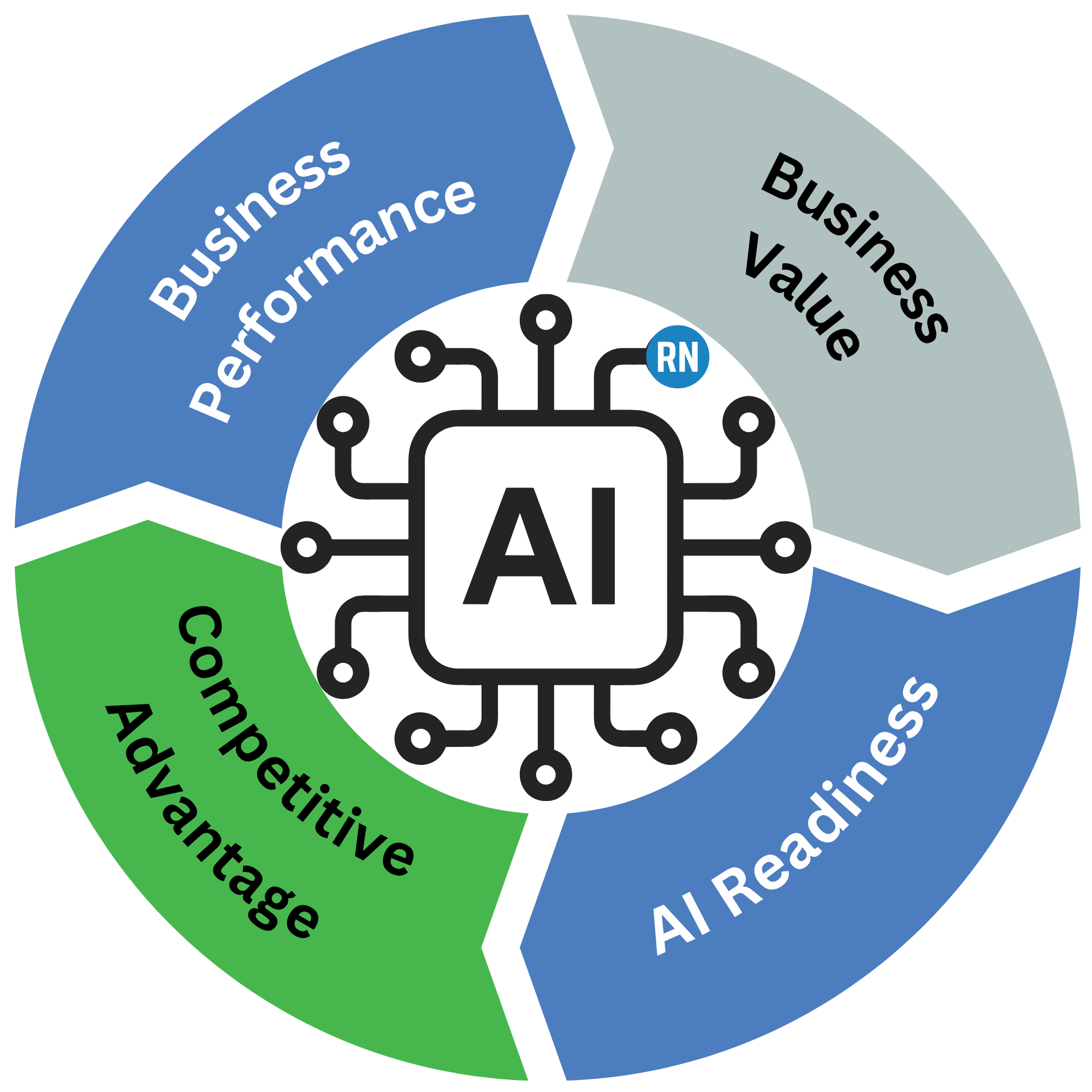
The Path to AI Readiness Starts with Better Business
Most businesses are asking, "How can AI help us?"
I think there's a better question.
Is our business actually ready to maximize AI's potential?
The Businesses That Win with AI Will Have One Thing in Common
The old ERP saying, "Garbage in. Garbage out." may be more relevant today than ever before.
AI won't replace weak leadership, inconsistent processes, or poor data. But it can help great businesses become even better.
Before asking how to implement AI, it may be worth asking whether your business is truly ready to benefit from it.
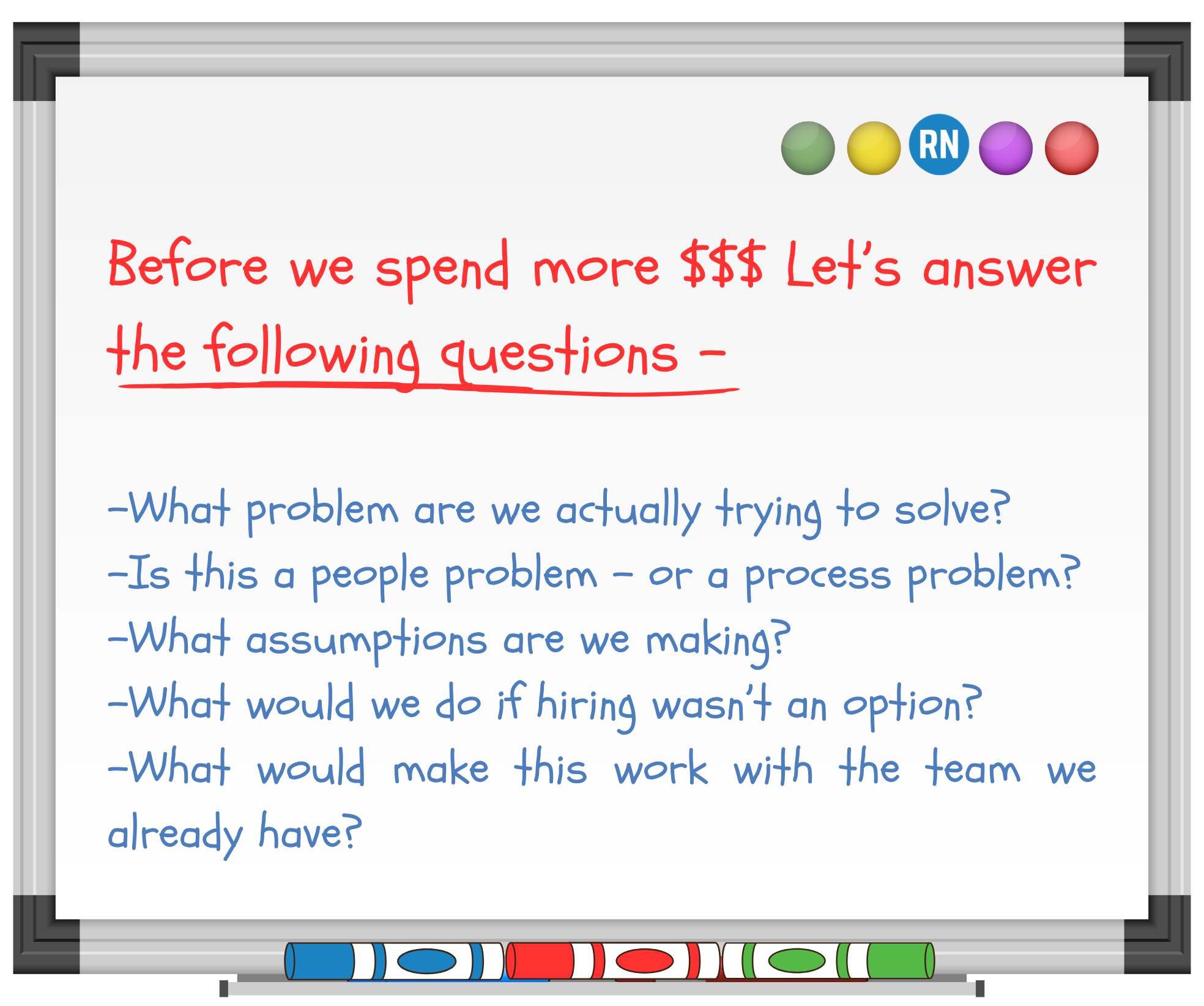
Creativity Before Capital
The biggest improvements I've seen in business rarely started with a bigger budget, they started with a different way of thinking.
I've found that some of the best solutions don't come from additional resources. They come from better questions.
This week's blog explores why creativity should come before capital, and how that one mindset change can unlock capacity, performance, and better decisions.
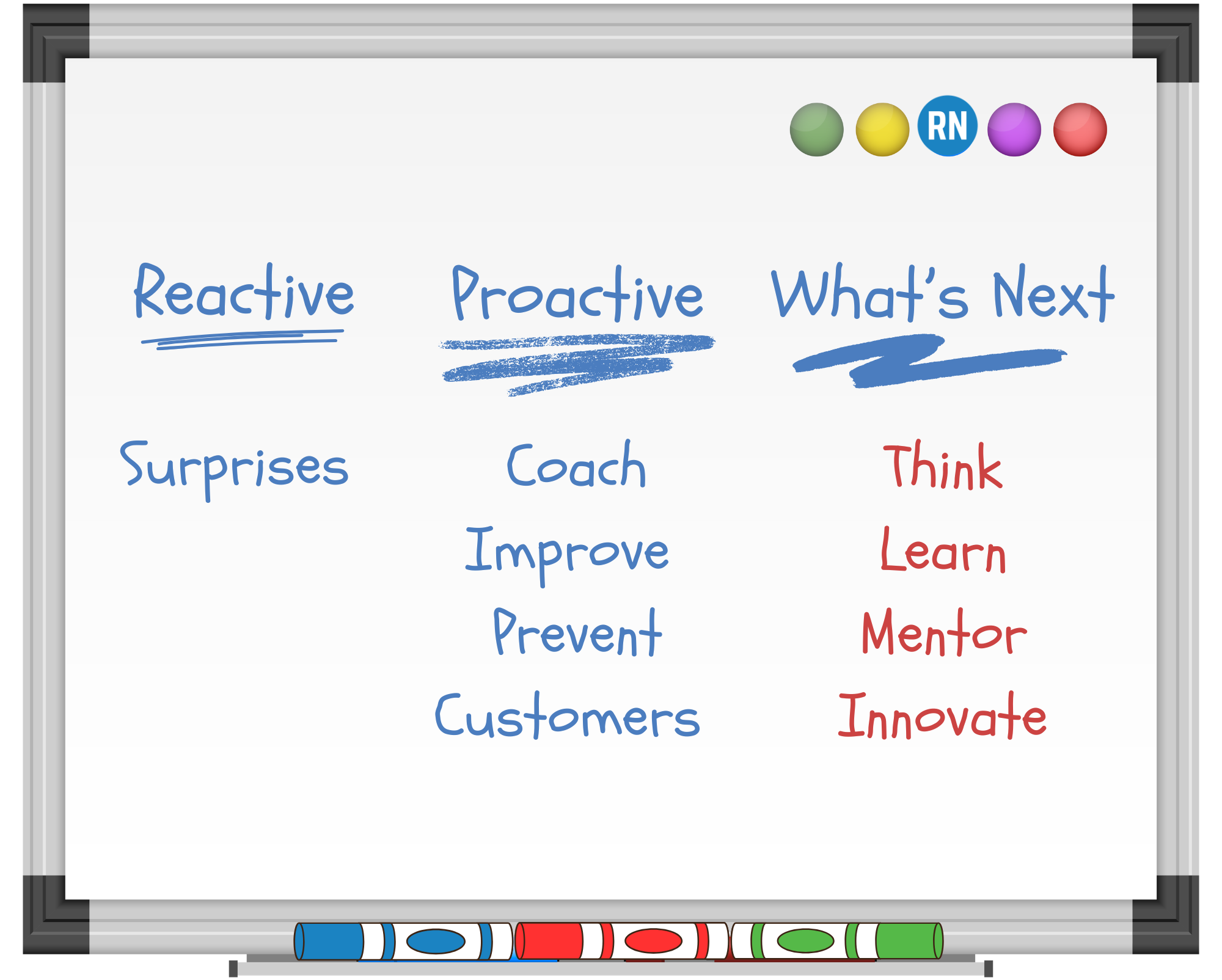
Part 2: The Opportunity Profit of Your Time
In my last blog, I challenged leaders to think about the opportunity cost of their time.
Today, I'd like to explore the other side of that equation.
As AI creates more capacity across our organizations, the real opportunity isn't just saving time, t's deciding how to invest it.
What is the opportunity profit of your time?
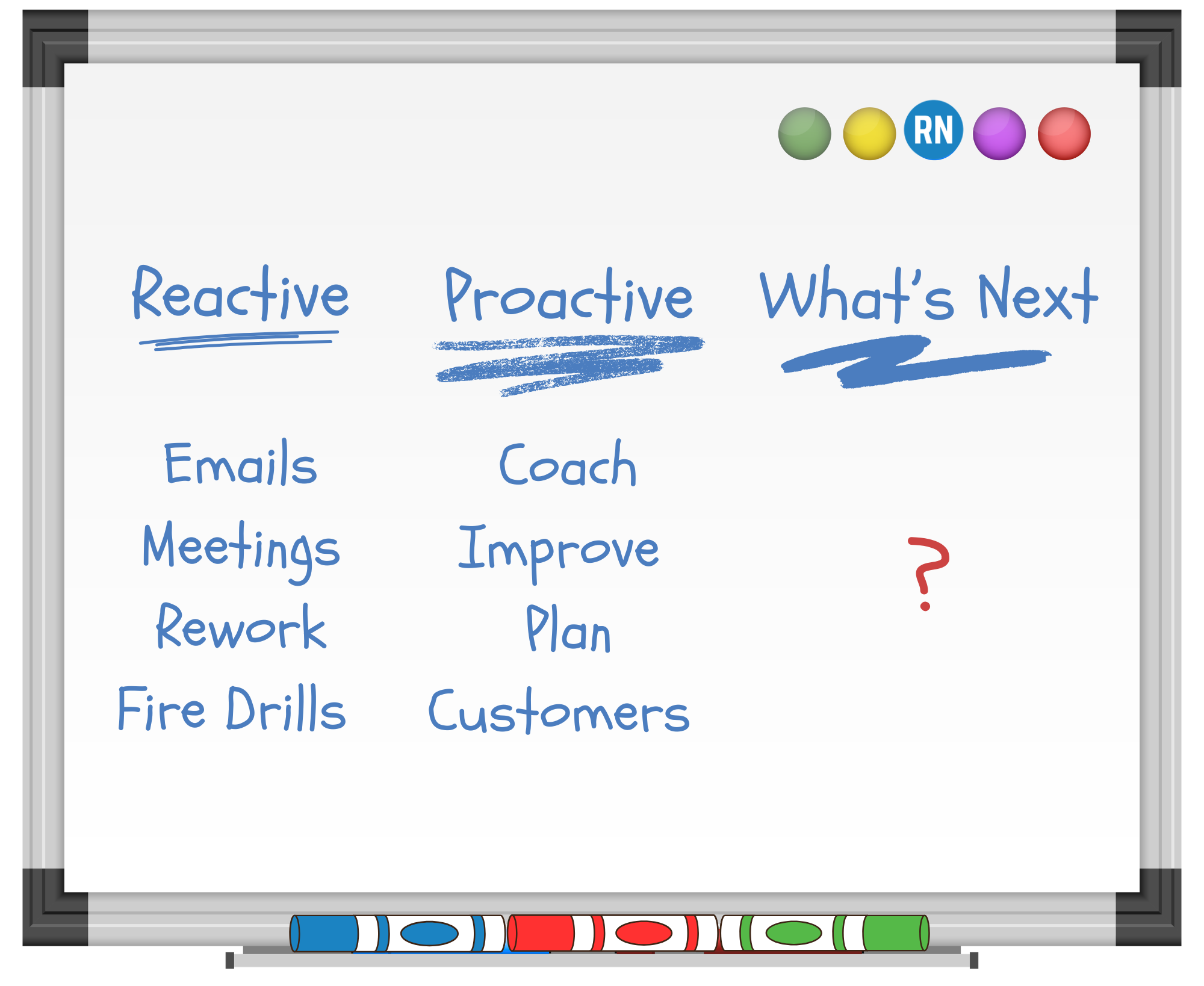
Part 1: The Opportunity Cost of Your Time
Over the years, one of my favorite conversations during one-on-one coaching meetings had very little to do with sales goals, budgets, or KPIs.
Most of these were problem solving conversations to address a specific challenge or bottleneck.
Before we started solving the problem, I would ask two questions.
Come on… This Isn't Rocket Science!
One sentence I used for years almost immediately backfired when I joined a technology company.
"Come on...this isn't rocket science."
The problem?
Three people in the room had literally written software for rocket engines.
That experience taught me one of the most valuable leadership lessons of my career, one that feels even more relevant today in the age of AI.

Turning Inward or Turning Outward?
As business owners, I think we sometimes approach business challenges the same way. We tell ourselves, "I'll figure it out," and convince ourselves we don't need outside support or perspective.
A recent engagement with a business owner reinforced the value of turning outward.
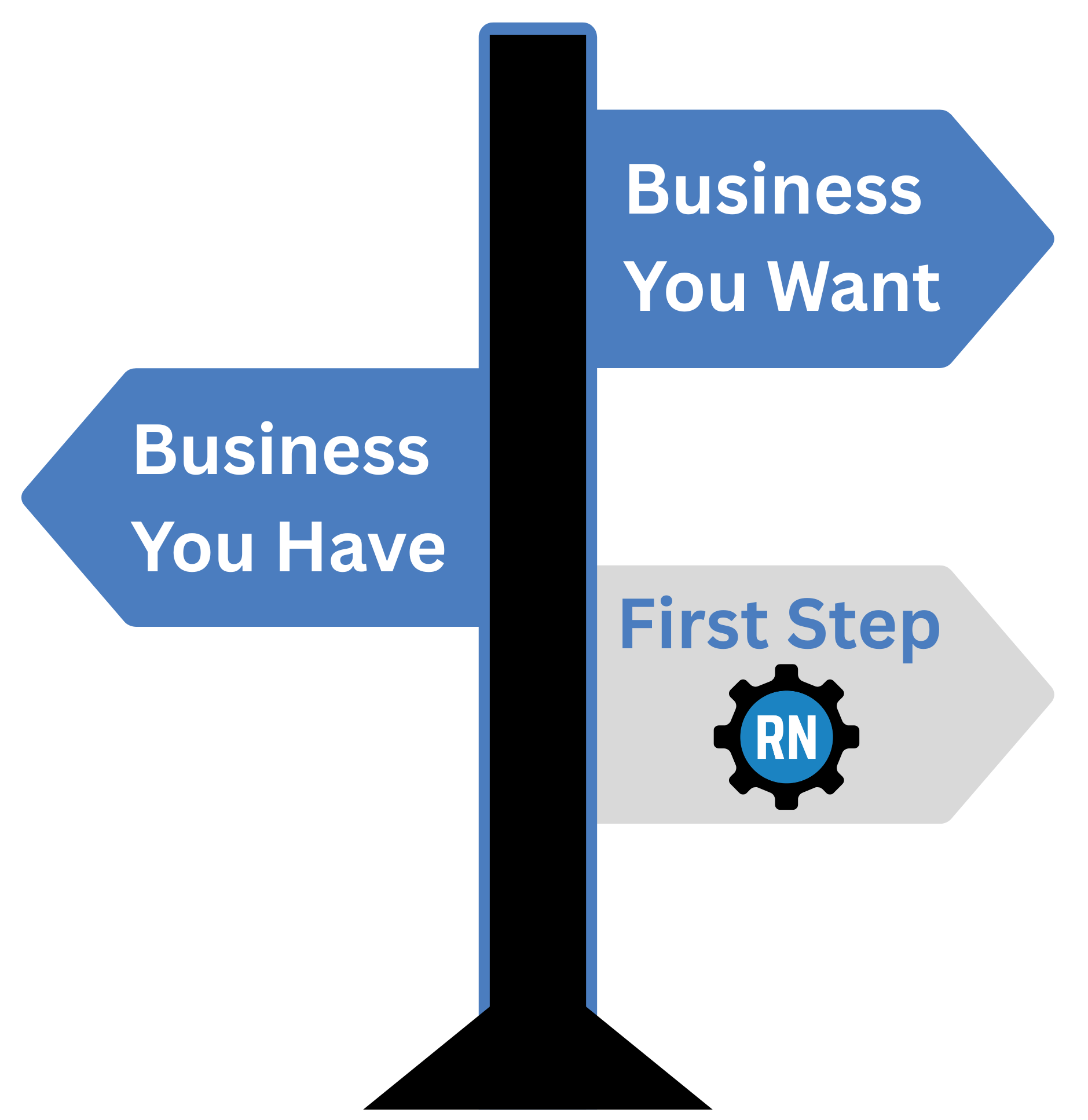
The Business You Have vs The Business You Want
Early in my career, I was conditioned to believe that there was no business problem an increase in sales couldn't solve.
Today, I see things a little differently.
Growth is important. But sustainable growth usually starts with understanding your current reality, aligning your team, and executing against the priorities that matter most.
That's the first step.
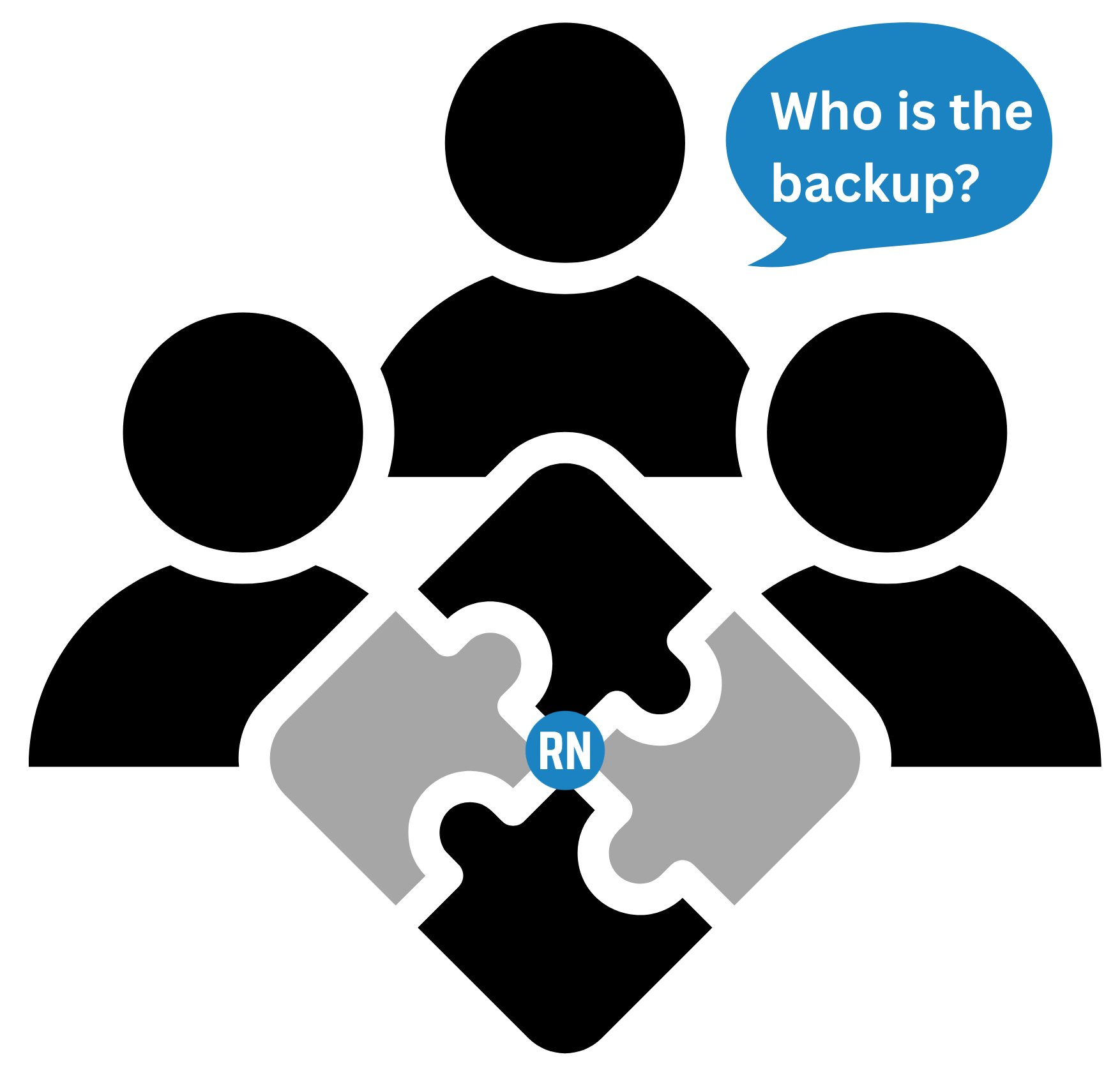
How Deep Is Your Bench?
Who is your backup?
More importantly, who is your customer's backup?
The depth of your bench may be the best indicator of your company's ability to grow.
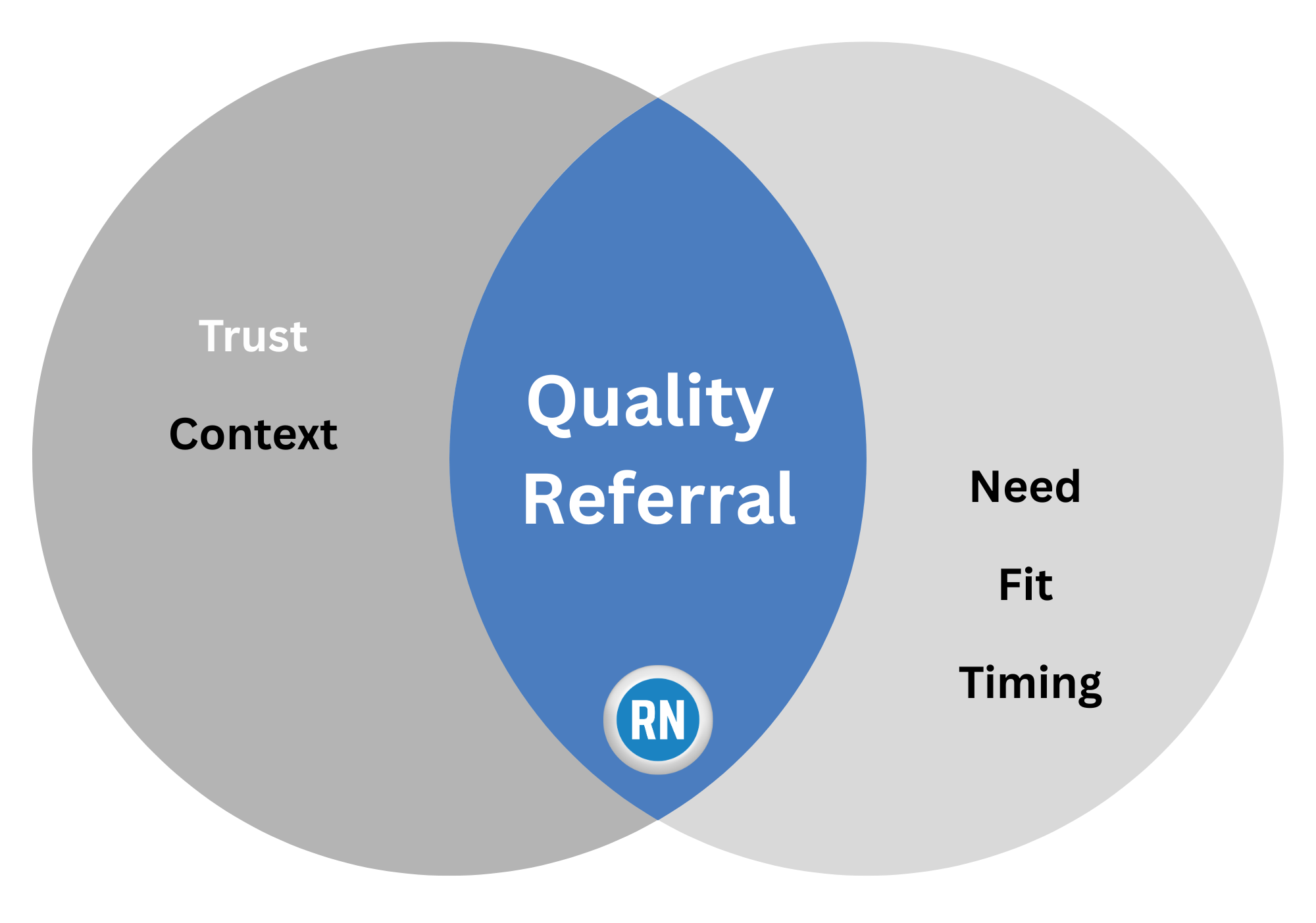
The Best Referrals Share These Five Traits
Most business owners love referrals. I sure do.
Over the years, I've noticed that the best referrals tend to have a few things in common. When they do, good things usually happen for everyone involved.
What If Growth Isn't Your Biggest Opportunity?
For most business owners, that probably sounds like a strange question.
After all, growth is usually the goal. More customers, more projects, more revenue.
The Best Product Development Team Is Often on the Jobsite
Some of the most valuable product development insights don't come from engineers, marketers, or executives. They come from the people installing the product every day.
The jobsite has a way of exposing assumptions, validating ideas, and revealing opportunities that no conference room ever could.