
What Entering New Industries Taught Me About Leadership
One of the things I appreciate most about my career is that I have been blessed with the opportunity to work across several different industries and business environments over the years.
Each industry came with a learning curve. Different products. Different customers. Different terminology. Different ways of operating.
Every time I made one of those transitions, I was reminded of something that took me a while to fully appreciate:
Leadership has little to do with being the smartest person in the room.
Early in my career, I probably put too much value on having answers. Experience has a way of changing that perspective.
When you enter a new industry, you quickly realize there are people around you who have spent years (sometimes decades) developing expertise you simply don't have. They understand the customers, products, processes, and understand how the business really operates day to day.
I found this both humbling and exciting at the same time!
We have two choices:
We can try to prove our value by acting like we already know everything.
We can get curious.
I've found the second approach works much better.
Some of my biggest learning moments came from spending time with frontline employees, asking questions, listening to customers, and learning from people who knew the business far better than I did. Not because I lacked confidence, but because I realized I had to learn first before I could effectively contribute.
Over time, I realized that leadership isn't about having all the answers.
It's about finding clarity when things feel complicated, and building alignment when priorities compete. Removing obstacles so others can do their best work. And bringing together the collective knowledge of a team to solve problems and move things forward.
The irony is that the less I felt the need to be the smartest person in the room, the more effective I became as a leader.
Not because expertise isn't important, it surely is. But because good leadership is often less about what we know and more about how well we help others contribute what they know.
Looking back, some of the most meaningful leadership lessons I've learned came from stepping into environments where I had the most to learn.
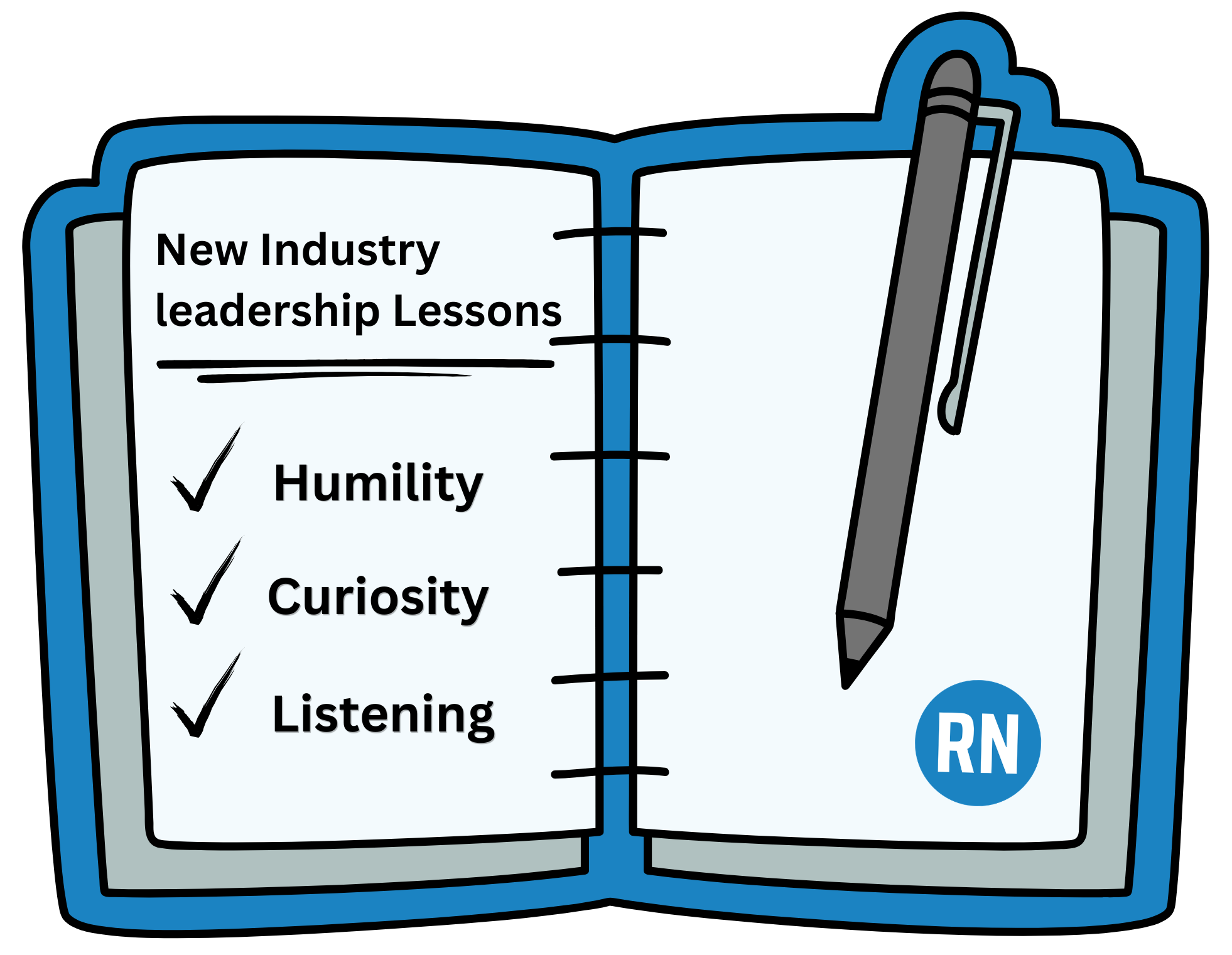
Those experiences reinforced the importance of humility, curiosity, and listening, before leading.
And they reminded me that you don't have to be the smartest person in the room to help a team accomplish great things.
