
The Hidden Risk of Being Too Accessible as a Leader
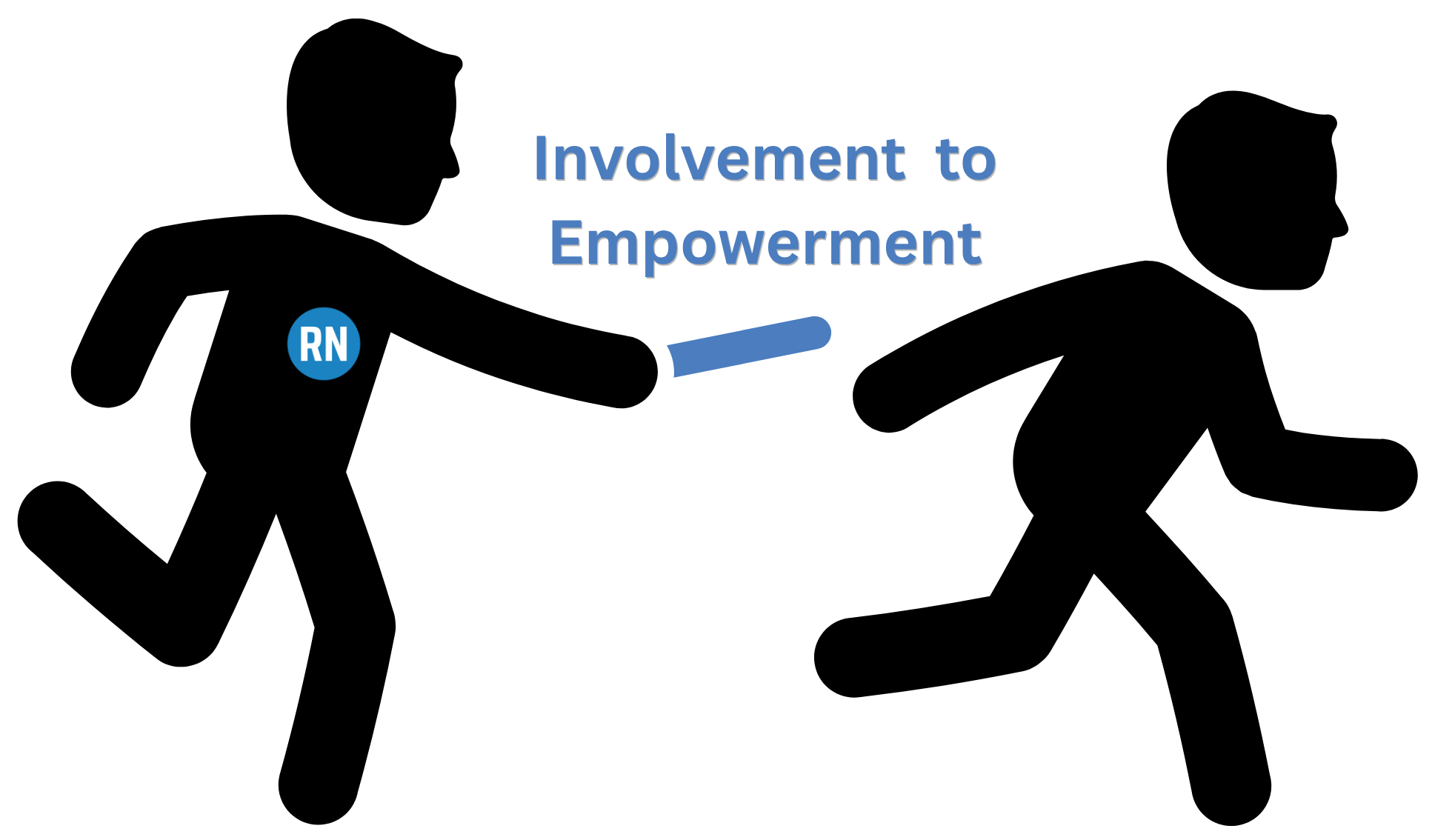
Why hands-on leadership must eventually evolve into trust, ownership, and empowerment.
For most of my career, I viewed being highly accessible and hands-on as one of my strengths.
And in many situations, it was. However, like any individual strength that we have, if taken too far it can evolve into a weakness.
A lot of the roles I stepped into involved businesses at an inflection point:
turnarounds,
scale-ups,
operational resets,
or businesses outgrowing the structure and discipline that once worked.
So, I eagerly jumped in.
I wanted to understand the business at a detailed level:
the people,
the processes,
where the pressure points were,
where accountability was unclear,
and where execution was breaking down.
That hands-on approach had two goals for me:
First, you cannot improve what you do not truly understand. I always believed meaningful change required learning the operation from inside the workflow, not from a conference room.
Second, once you understand the details, you can begin establishing standards of work. And once standards are clear, continuous improvement and effective performance management become possible.
I still believe that today, and that approach has delivered real performance improvement.
But over time, I also learned there can be a hidden downside if accessibility and hands-on leadership are not balanced.
Without realizing it, the leader can slowly become the center of too many decisions.
Not because the team lacks capability, but because we all naturally adapt to where problems get solved the fastest.
If the answer becomes, “Just ask Ron,” eventually:
escalation becomes the norm
ownership gets confusing
the leader unintentionally becomes the bottleneck
Ironically, I believe this often happens because the leader is trying so hard to help. Also, the hidden value is that the team member is (should be) the qualified expert in their functional area of responsibility.
That lesson changed my perspective over time.
I started sharing one of my favorite quotes with teams:
“A good leader is not a person to lean on, but a person to make leaning unnecessary.”
I would also tell teams that one of my ultimate goals as a leader was to eliminate my own job. A little extreme maybe, but the point usually resonated.
The real goal was never to make myself unnecessary as a supportive person.
It was to help build a business where:
people had clarity
leaders owned decisions
accountability existed at the right levels
and the organization could operate and improve without depending on one person to carry everything forward
That’s where my perspective on leadership really started to change.
As a leader, I’ve learned that balancing hands-on leadership with empowerment comes down to learning the business and trusting people to lead within it.
